ERAS
DRIVING SIGNATURE
The shape of their driving — computed from 471 laps of official timing data · vs. 2026 field.
THE FINGERPRINT
Six-axis breakdown: steering smoothness, entry aggression, tyre management, throttle application, braking, and consistency.
STEERING SMOOTHNESS PENDING — needs steering-angle data from onboard video
SETUP & STYLE
SCOUTING REPORT
How they set up the car, and the style that emerged from it.
THE REPORT
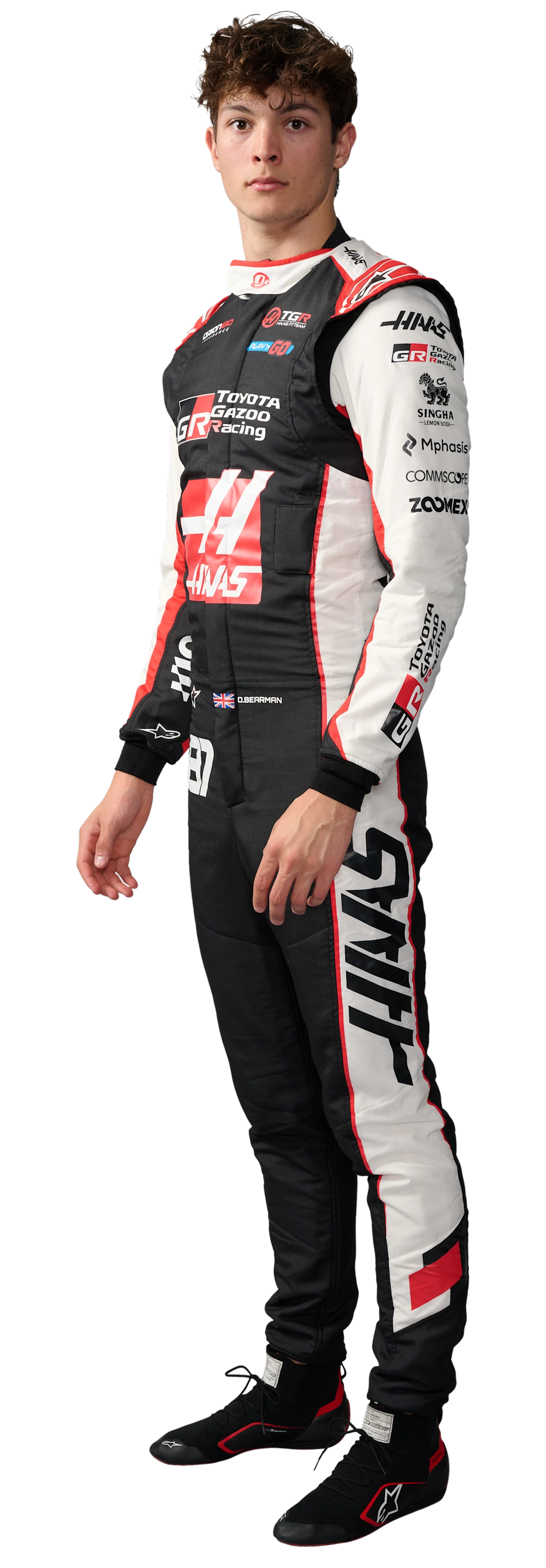
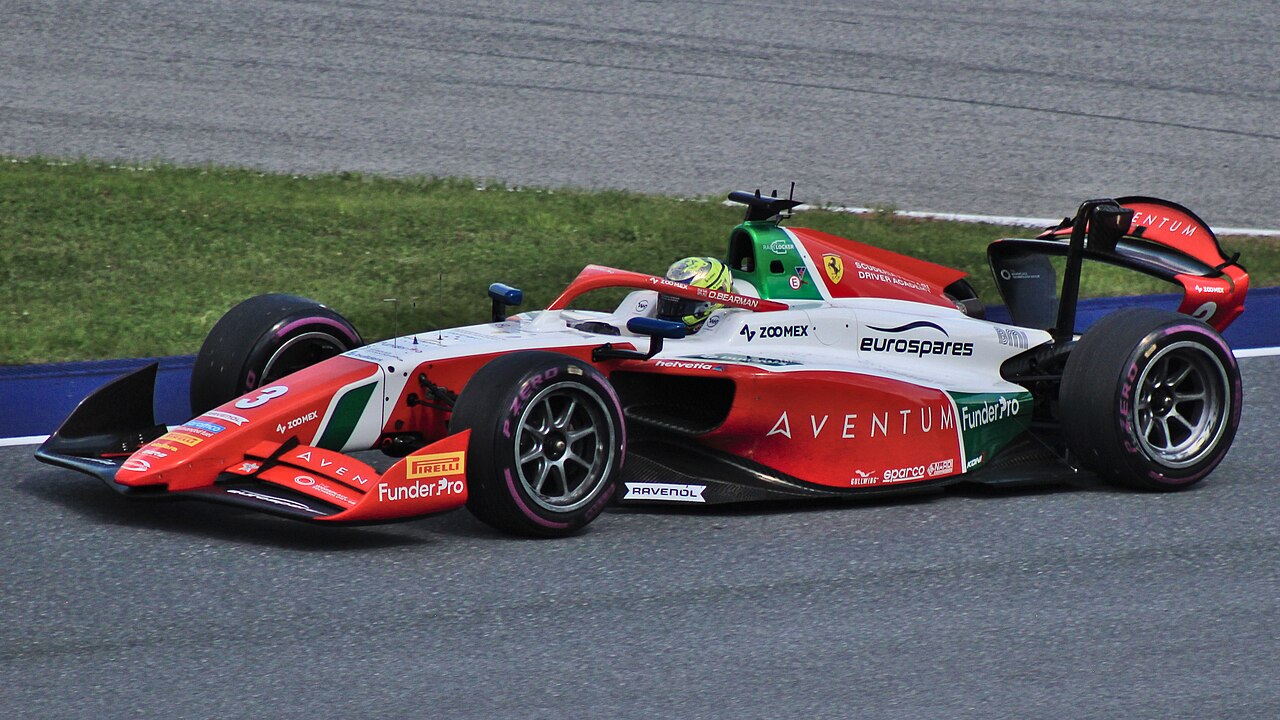
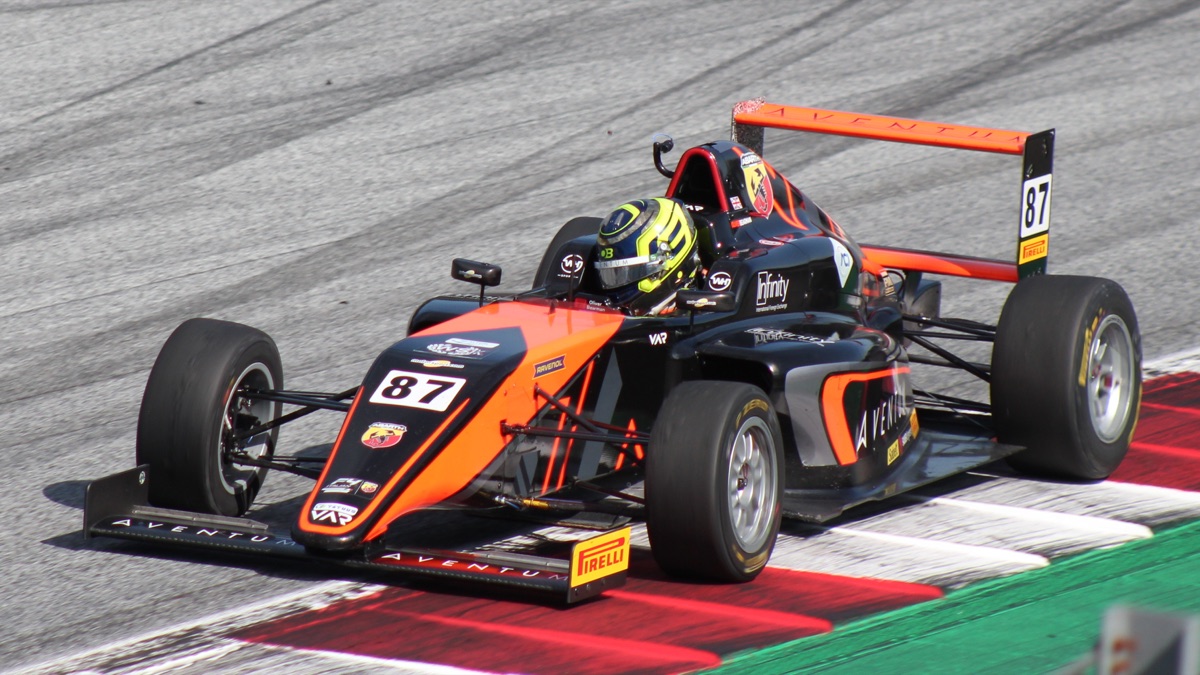
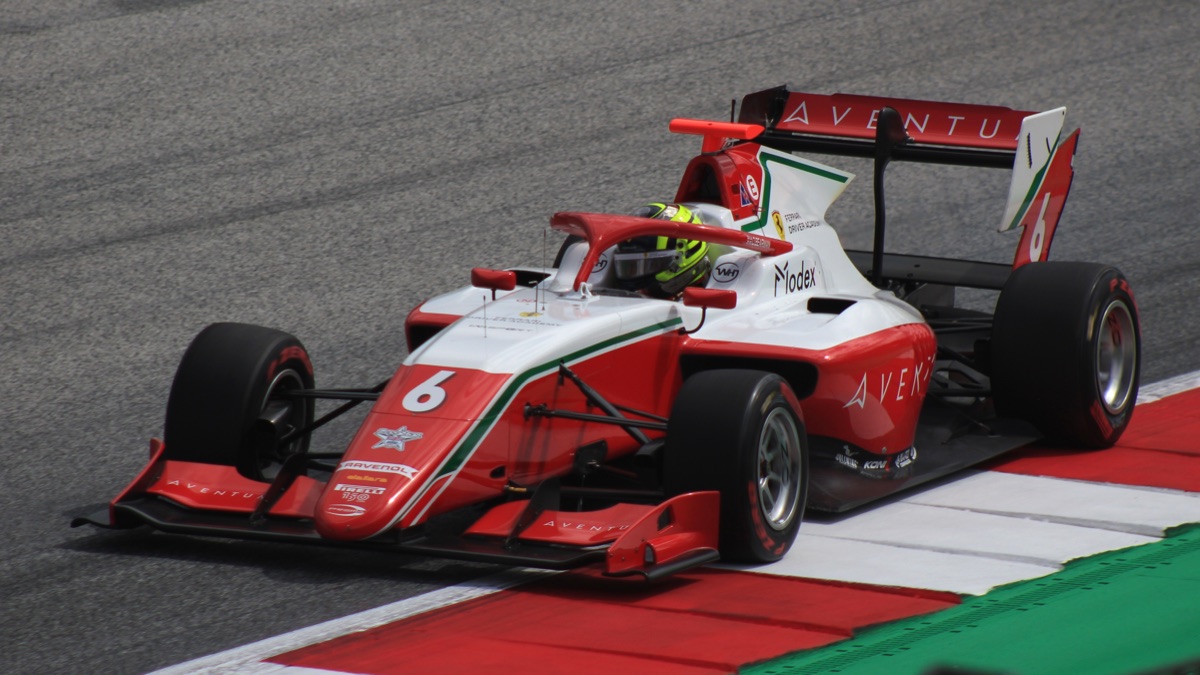
Bearman's Saudi Arabia 2024 debut produced P7 from a context that quantifies the pressure: 90 minutes advance notice, no race-distance experience in the SF-24, and a Ferrari that required specific brake bias and downforce management he had never used in competition. The result tells you less about his pace than about his mental architecture: a driver who processes information precisely enough to be fast in an environment with near-zero preparation. His braking technique — high-commitment entry, late turn-in, trail brake through the first half of the apex — is identical to the technique his F2 data shows, scaled to faster machinery without the correction inputs that most drivers exhibit when first encountering F1 braking forces.
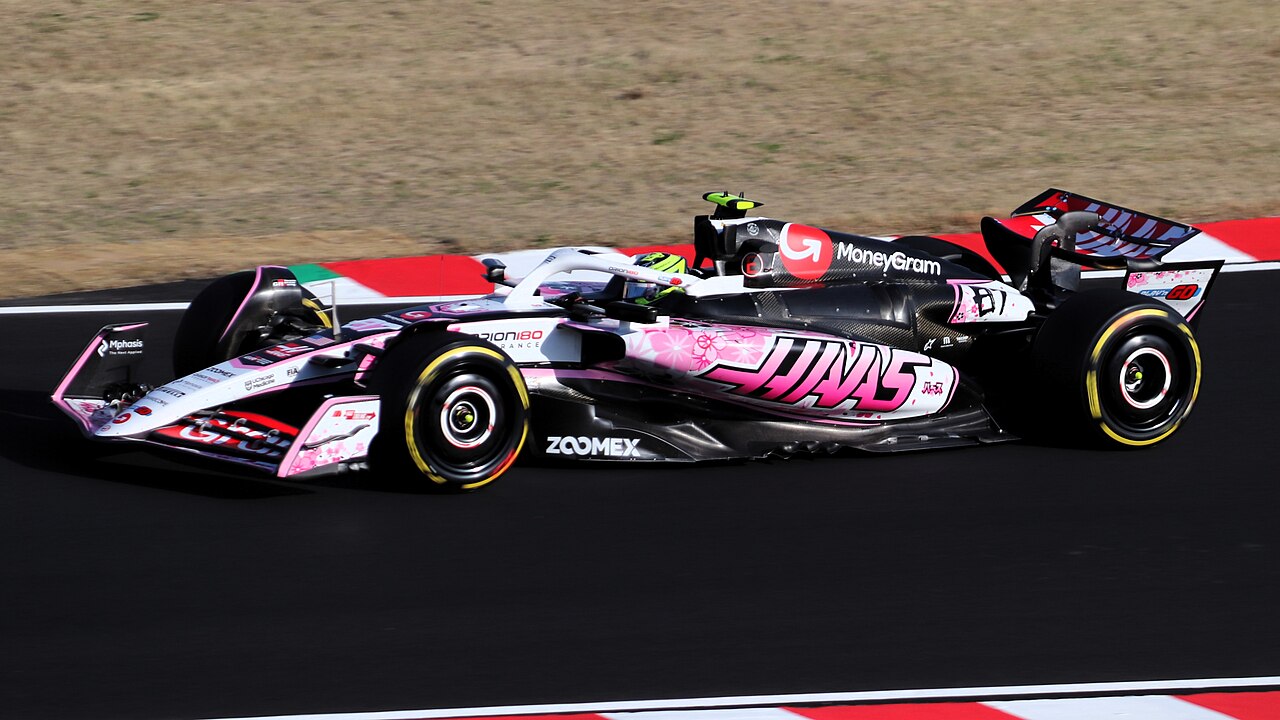
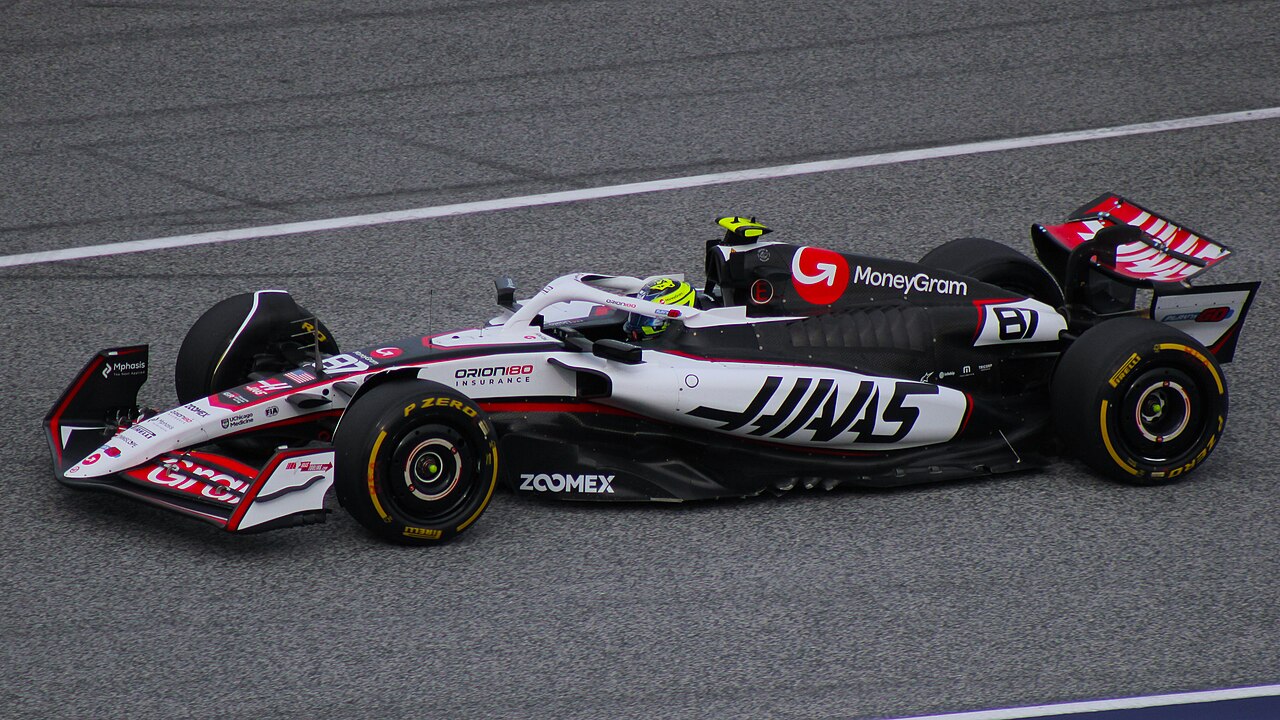
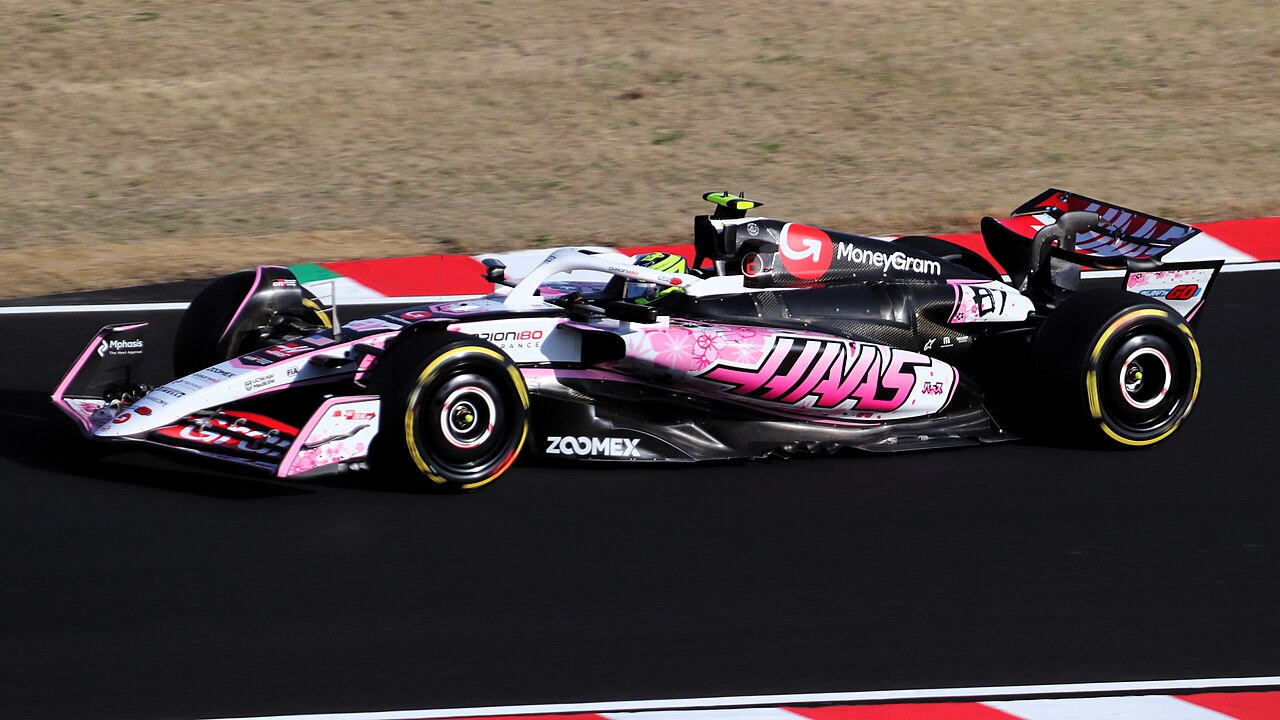
His 2025 Haas season produced 62 points and a P4 at Mexico City — a result that required managing tyre strategy and defending position against cars with more aerodynamic development. His entry technique at Haas centres on high braking confidence and rotation from pedal release rather than steering input, which suits the VF-25's characteristics. Tyre management over stints longer than 20 laps remains the key development area: his data shows that entry commitment produces front-axle temperatures above the optimal operating window in the second half of long stints, reducing his ability to load the fronts without triggering degradation.
His profile at 20 combines elite braking confidence and composure under extreme conditions with the expected development gaps for a driver with fewer than 30 F1 starts. Haas's decision to sign him after the Saudi Arabia debut rather than at the end of an observation season reflects confidence in those qualities rather than in the complete technical package. His 2026 target — first career podium — requires either a Haas competitive enough to position him in top-5 territory, or a race where external factors elevate the field around him. Both have already happened once.
SETUP PREFERENCE
ROTATION PREFERRED
MEDIUM COMPLIANCE
MODERATE DOWNFORCE
EXCELLED AT
STRUGGLED WITH
MORE BELOW · TRACKS · LAPS