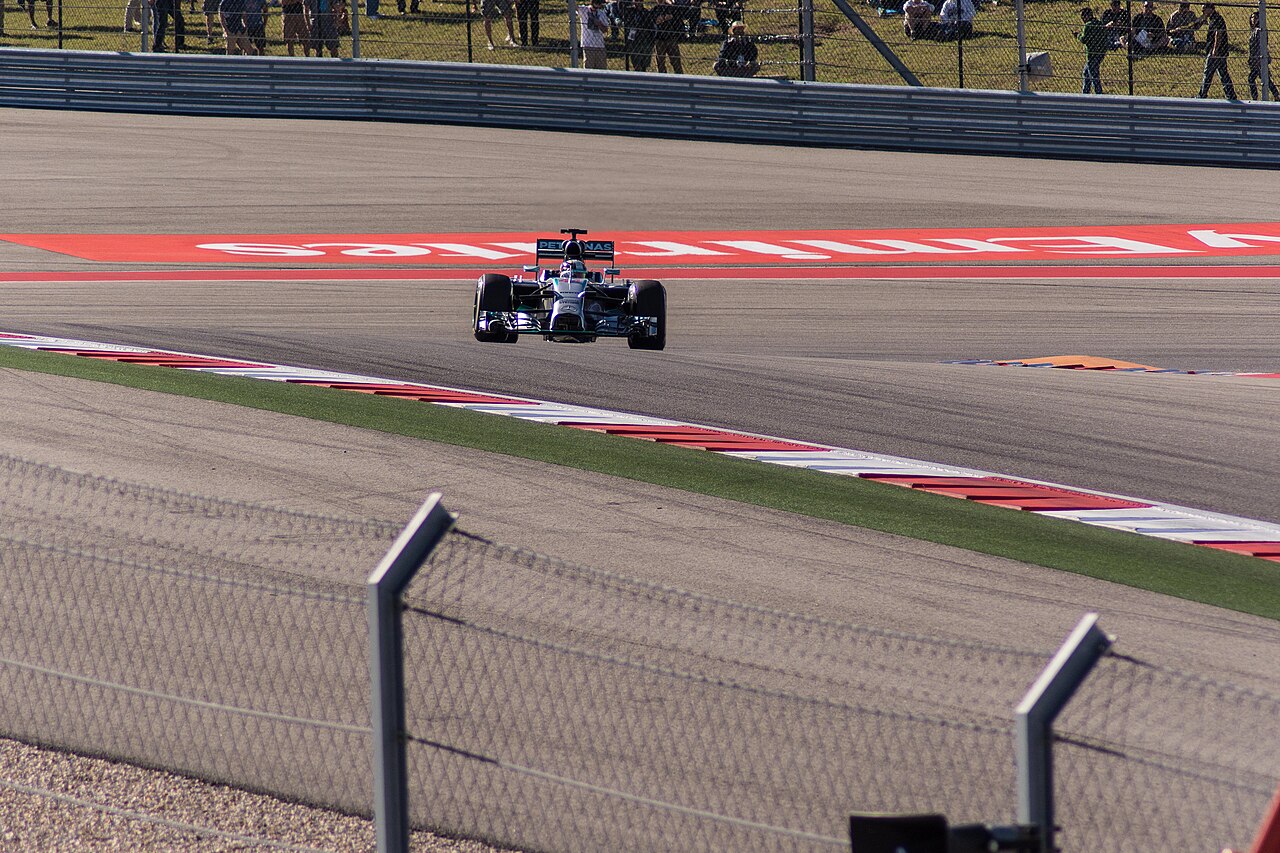
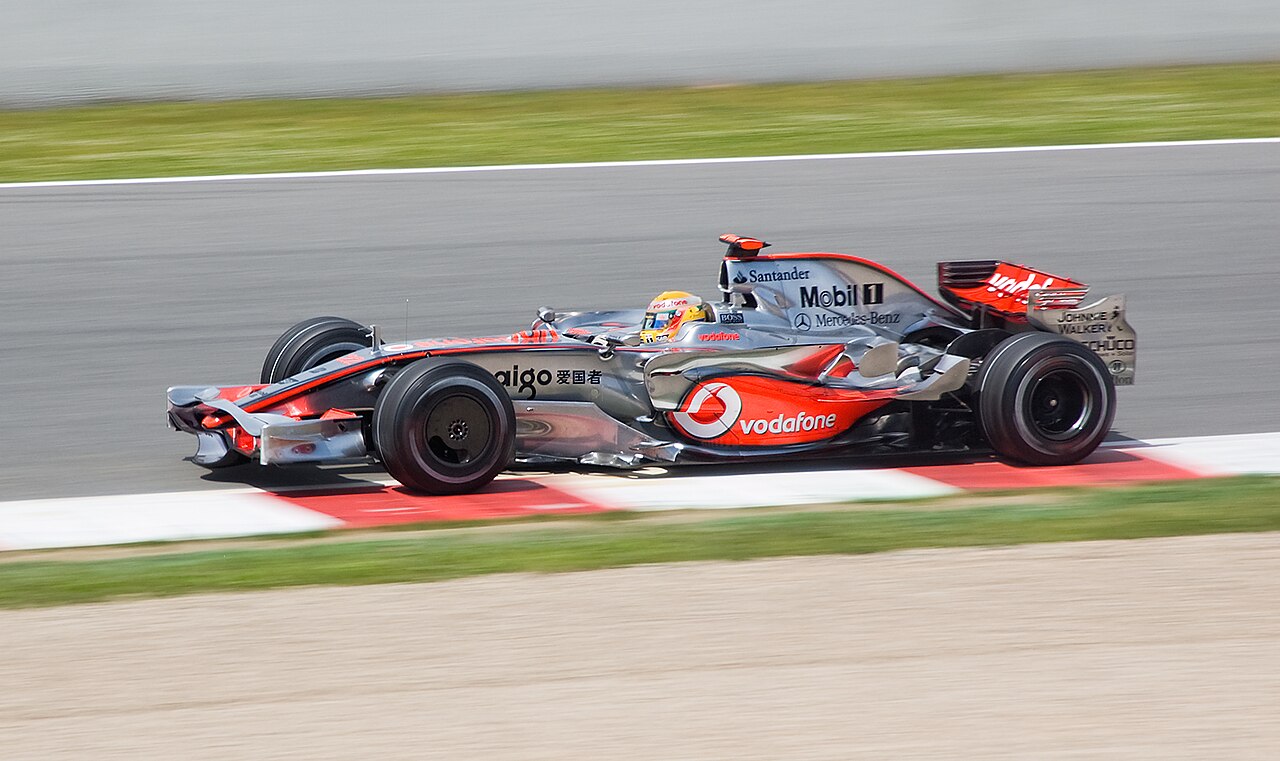
ERAS
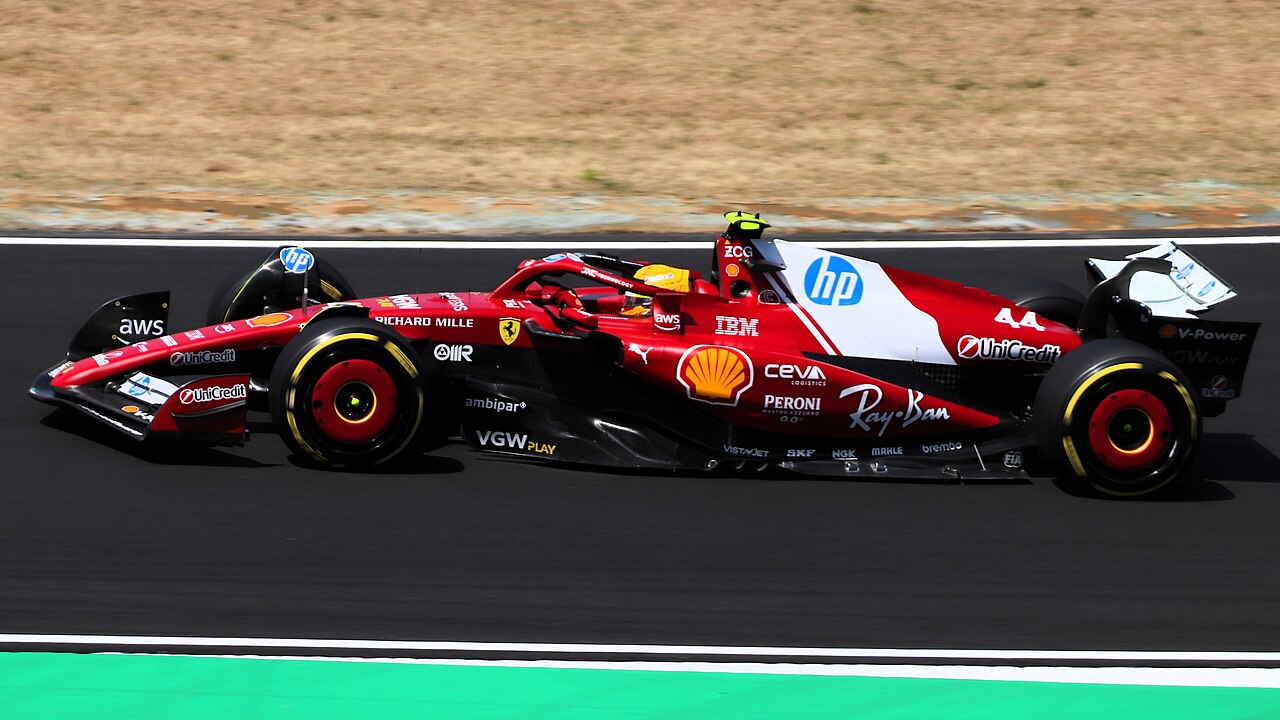
DRIVING SIGNATURE
The shape of their driving — computed from 598 laps of official timing data · vs. 2026 field.
THE FINGERPRINT
Six-axis breakdown: steering smoothness, entry aggression, tyre management, throttle application, braking, and consistency.
STEERING SMOOTHNESS PENDING — needs steering-angle data from onboard video
SETUP & STYLE
SCOUTING REPORT
How they set up the car, and the style that emerged from it.
THE REPORT
Hamilton's braking technique is the signature of his style: aggressive threshold entry from very high speed, modulated through the corner with a sensitivity to front-axle load that allows him to carry maximum speed through the apex without triggering understeer. His longstanding preference for Carbone Industrie carbon-carbon brakes — which provide a specific friction characteristic at high operating temperatures — reflects how precisely his technique depends on tactile pedal feedback. Engineers describe the telemetry from his braking zones as the clearest benchmark on the grid: no correction inputs, clean deceleration gradient, apex load generated from the pedal rather than compensatory steering.
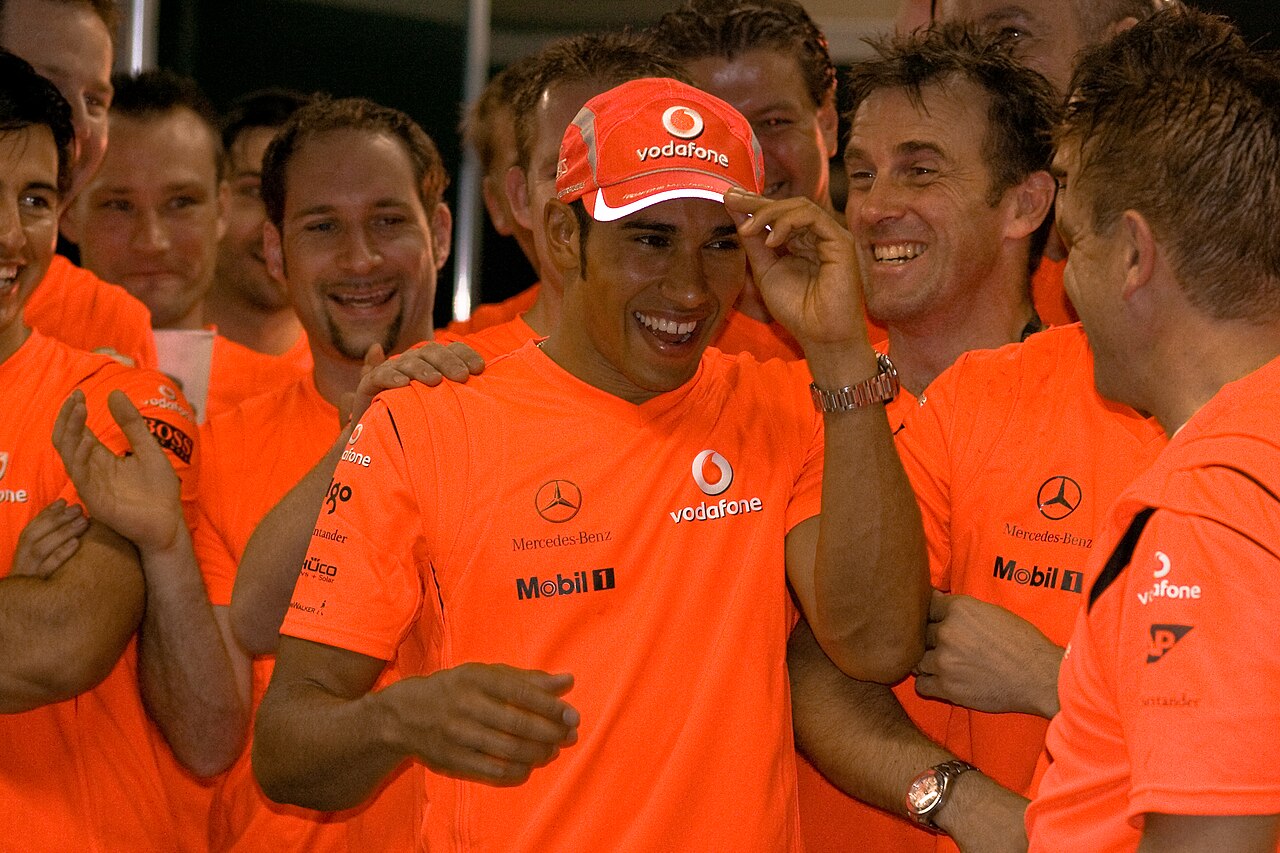
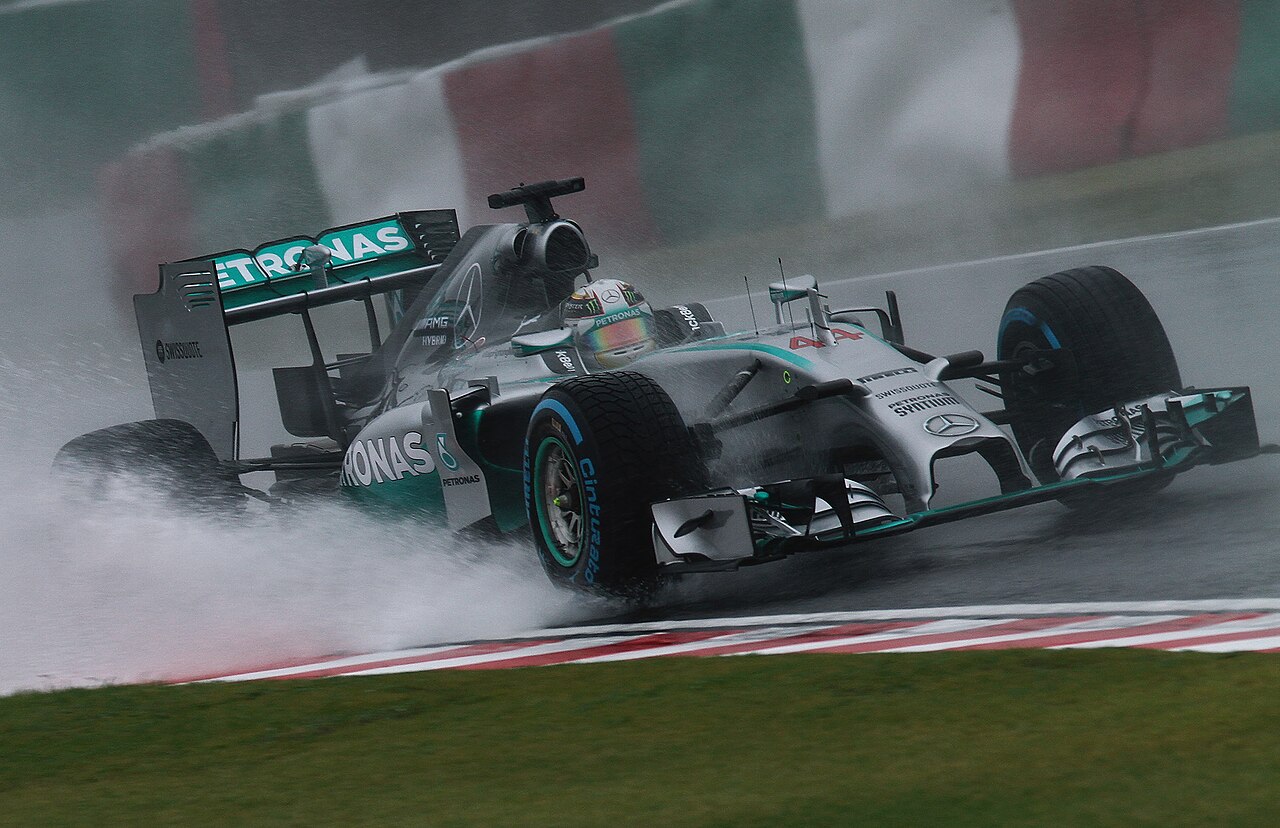
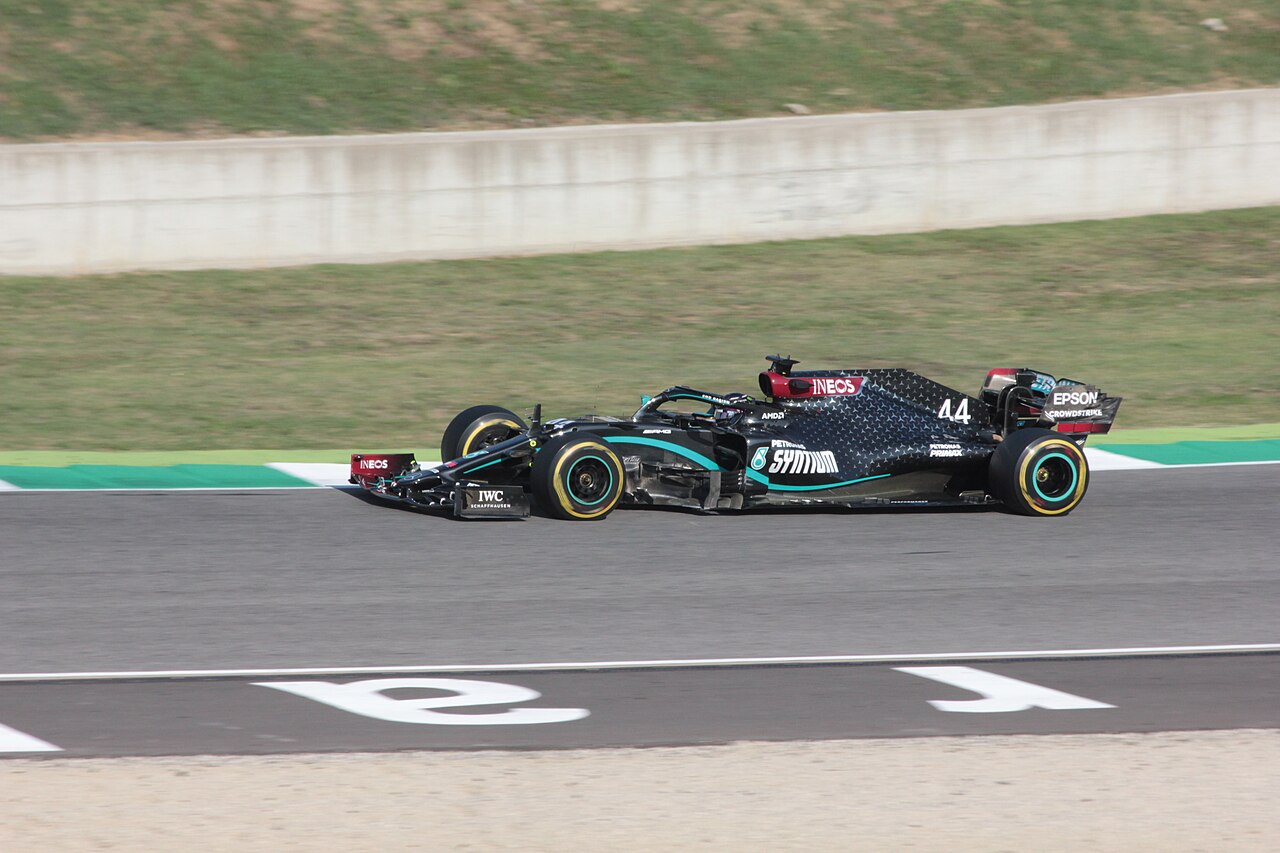
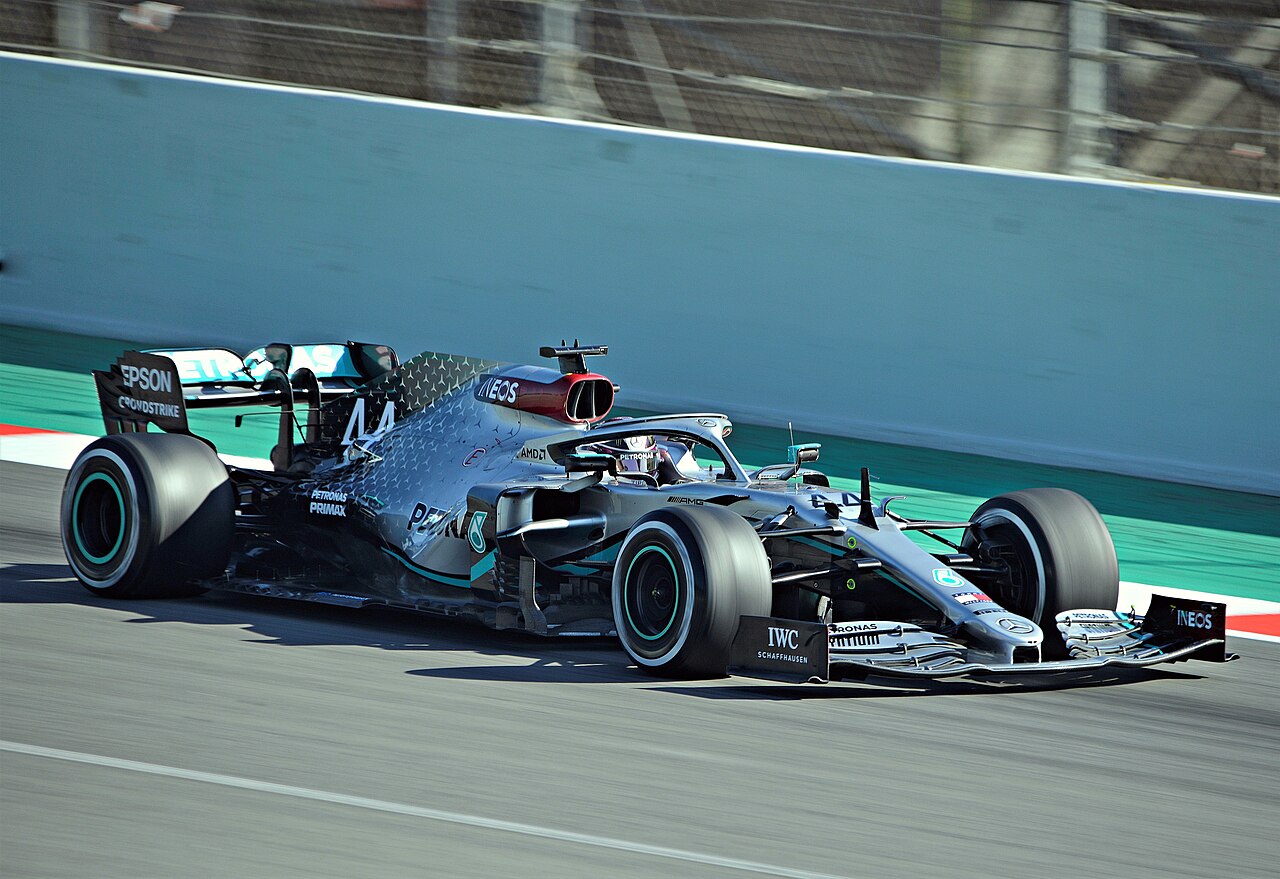
His setup preference has been consistently soft and understeer-biased — trusting the front end to find natural rotation rather than forcing entry rotation via aggressive balance. At Mercedes, this translated to a car that Hamilton could extract maximum tyre life from, consistently completing 15–20 laps beyond the strategic model's prediction. The combination of elite raw speed and elite tyre conservation in the same package is what makes his statistical record defensible against any era comparison, and why rivals who drove faster individual laps rarely matched his race results.
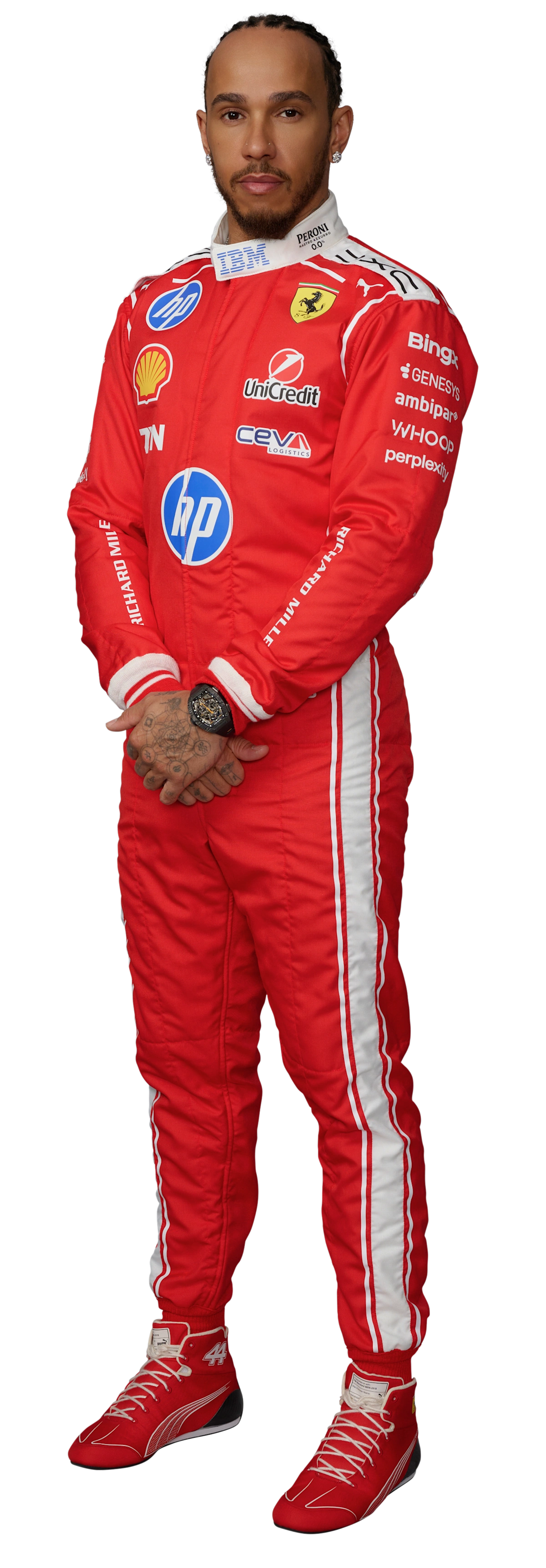
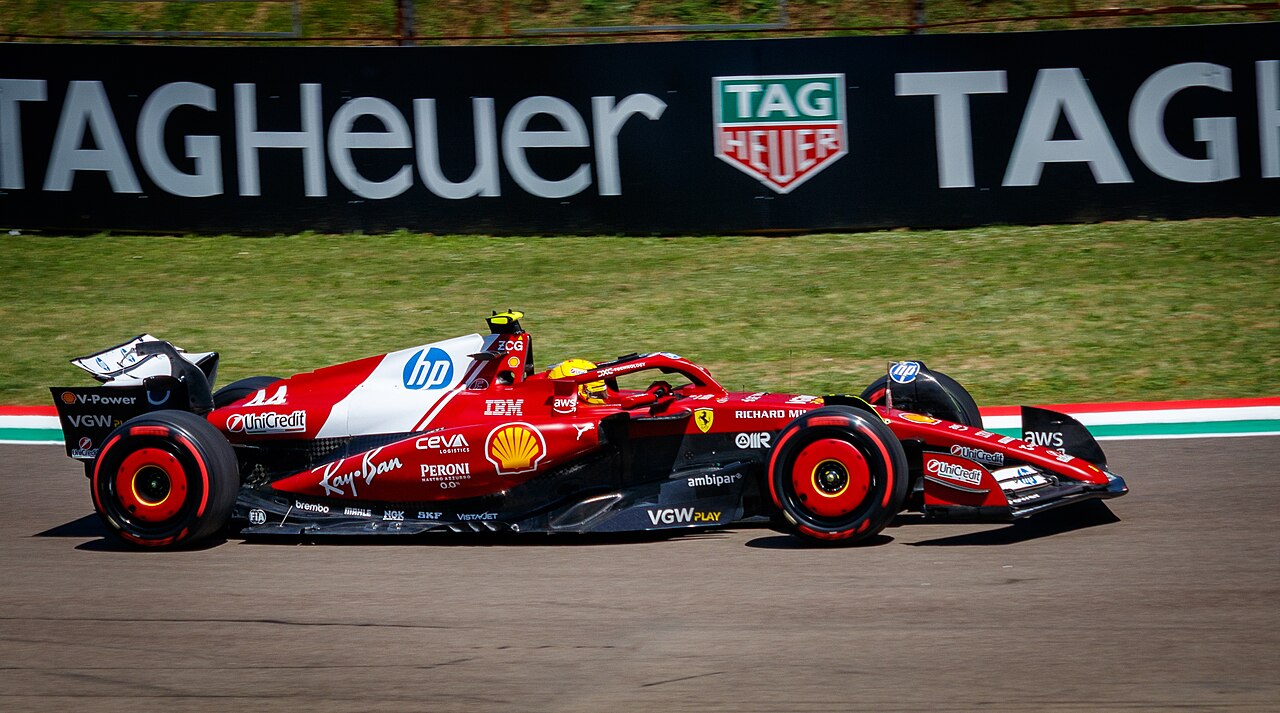
The 2025 Ferrari move was a fundamental readjustment: the SF-25 demands a more rotation-biased setup that Hamilton's natural style resists, requiring him to load the front axle aggressively on entry rather than managing a progressive understeer arc. The adaptation was public and sometimes difficult, but Hamilton's engineering intelligence means the adjustment curve trends upward. The deeper question is whether Ferrari can build toward his preferences rather than waiting for his to shift — historically, the better outcomes have come from teams that built to Hamilton, not the other way around.
SETUP PREFERENCE
UNDERSTEER-BIASED — TRUSTS FRONT
SOFT COMPLIANCE — TYRE LONGEVITY
DOWNFORCE FOR TYRE LONGEVITY
EXCELLED AT
STRUGGLED WITH
MORE BELOW · TRACKS · LAPS