ERAS
DRIVING SIGNATURE
The shape of their driving — computed from 419 laps of official timing data · vs. 2026 field.
THE FINGERPRINT
Six-axis breakdown: steering smoothness, entry aggression, tyre management, throttle application, braking, and consistency.
STEERING SMOOTHNESS PENDING — needs steering-angle data from onboard video
SETUP & STYLE
SCOUTING REPORT
How they set up the car, and the style that emerged from it.
THE REPORT
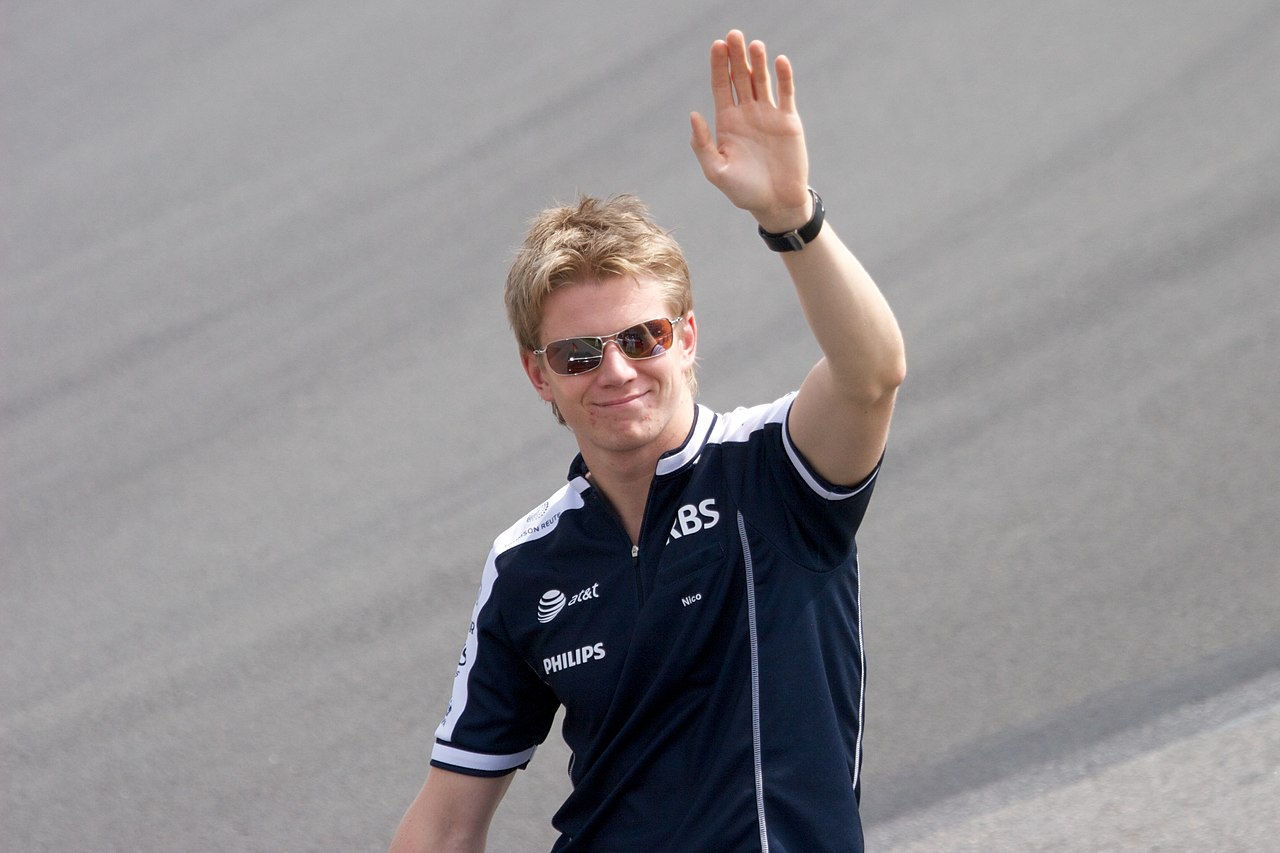
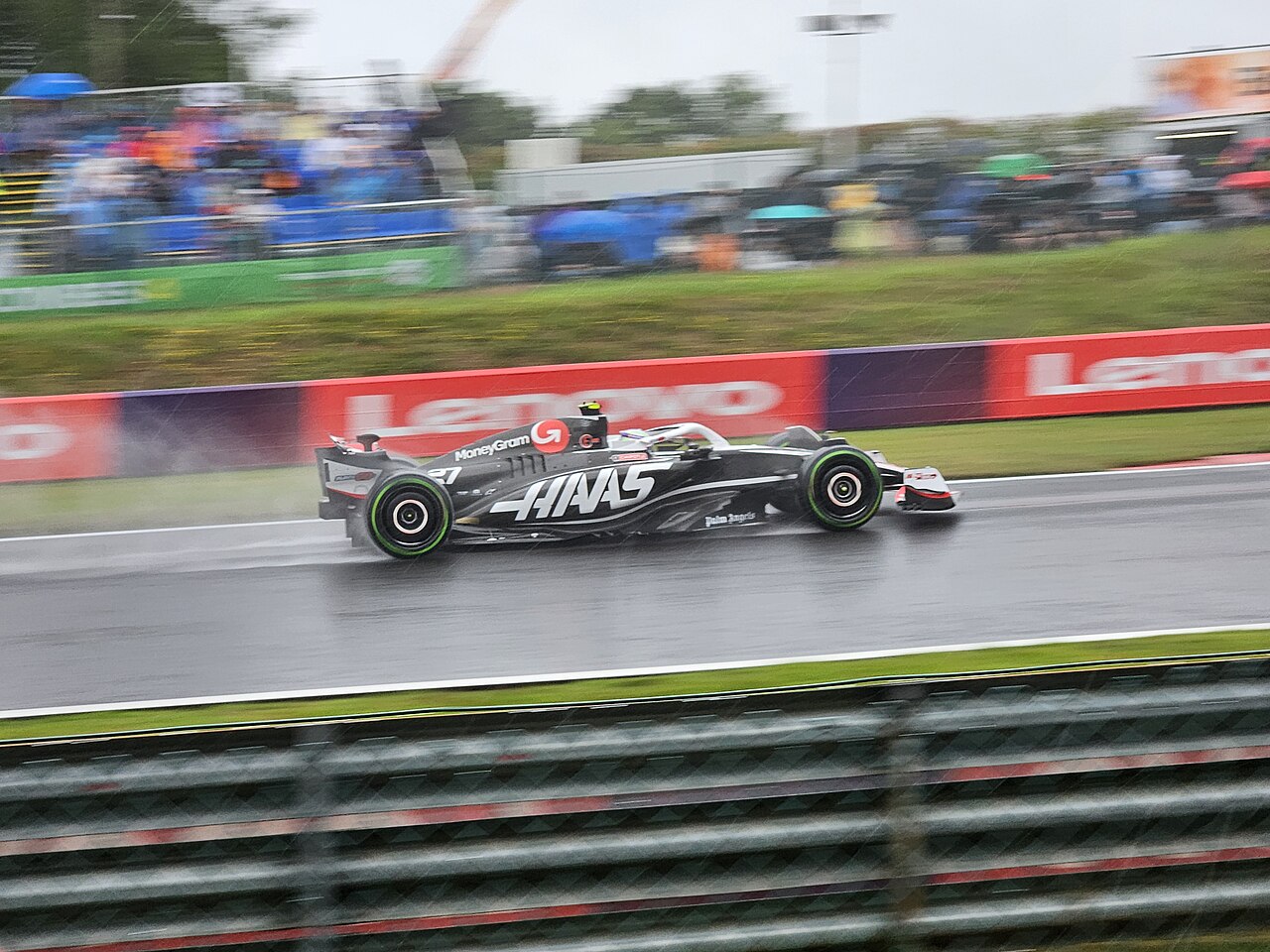
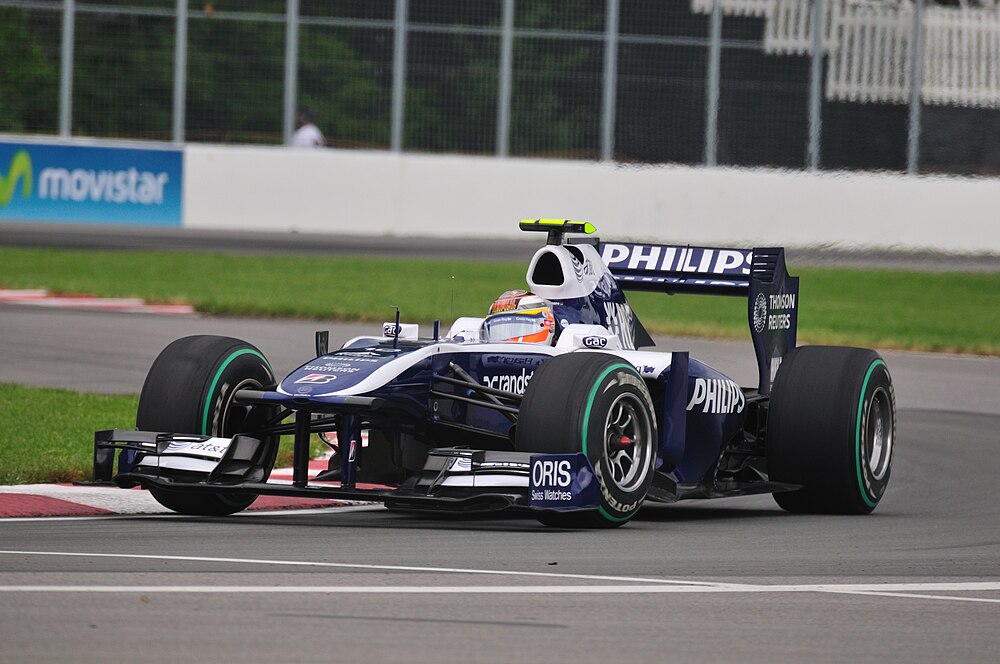
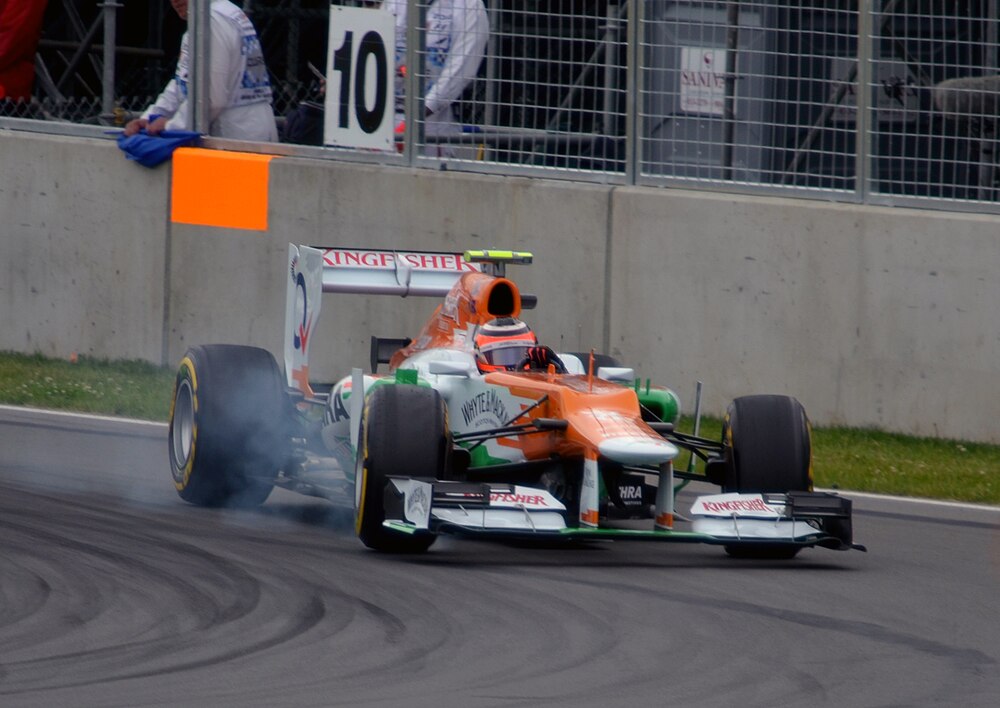
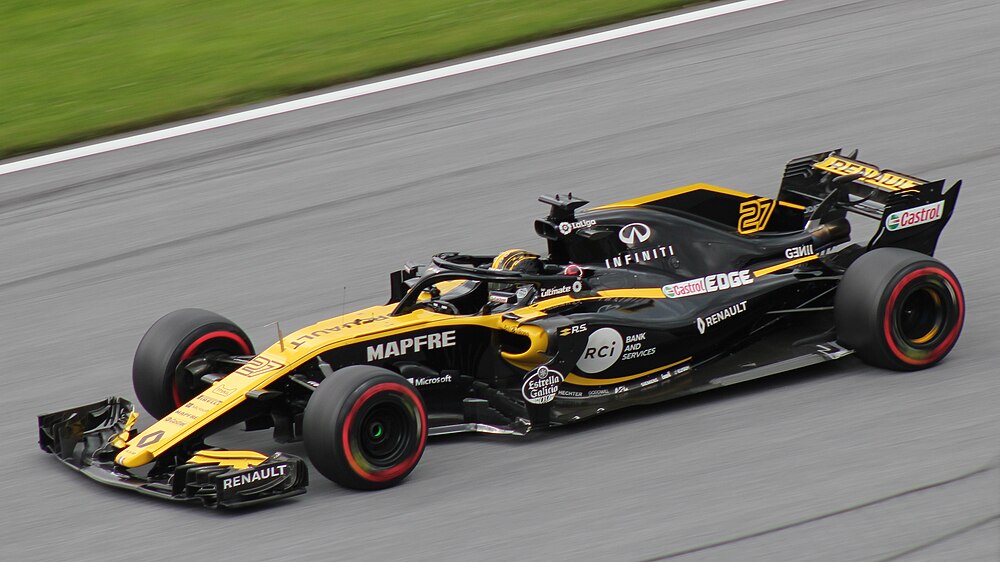
Hülkenberg's technical signature is race-distance consistency: his data across 14 seasons and five teams shows a driver whose lap-time variation across a stint is narrower than his qualifying pace suggests as a ceiling. His entry technique is described by engineers at Force India and Haas as very clean at the rotation phase — he generates the required mid-corner rotation without the trail-brake corrections that produce tyre heat spikes, which explains his ability to run longer stints than models predict without pace loss. Brazil 2010's shock pole was produced by specific conditions (wet surface, his natural sensitivity to low-grip), but it was never representative of his peak: his genuine upper range is race-distance lap time, not single-lap production.
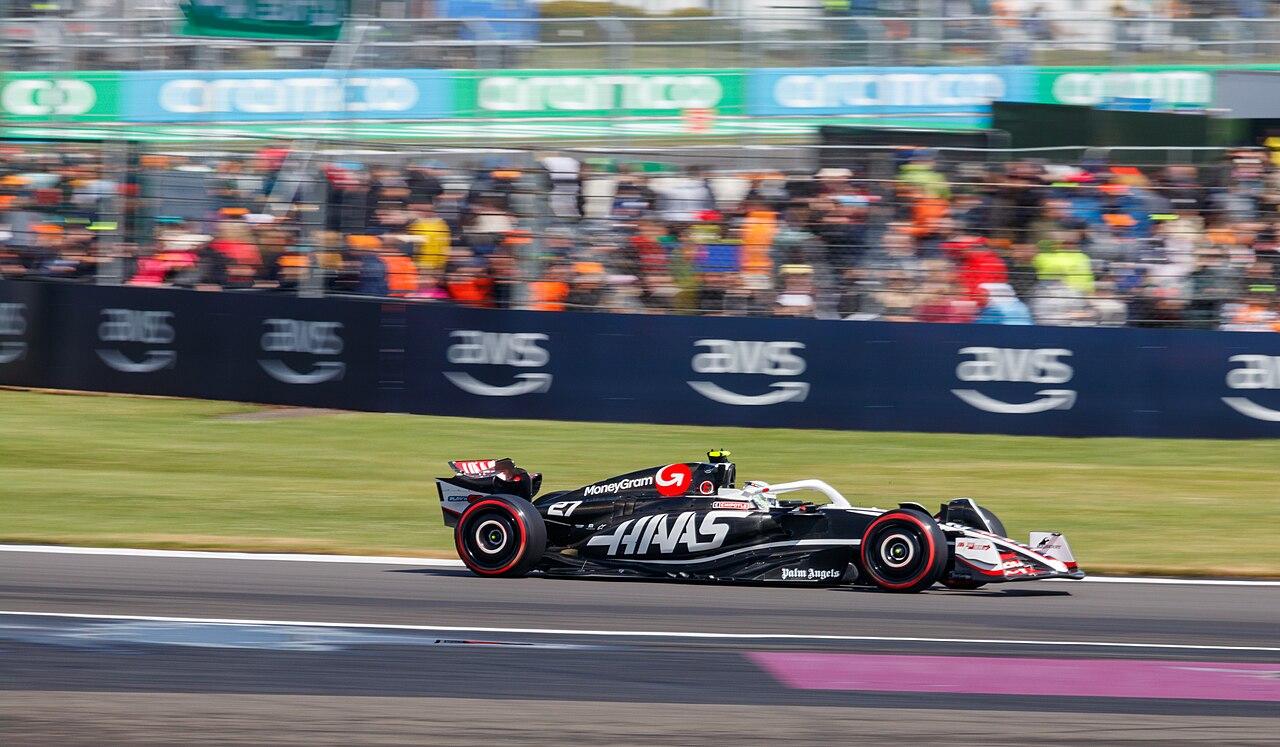
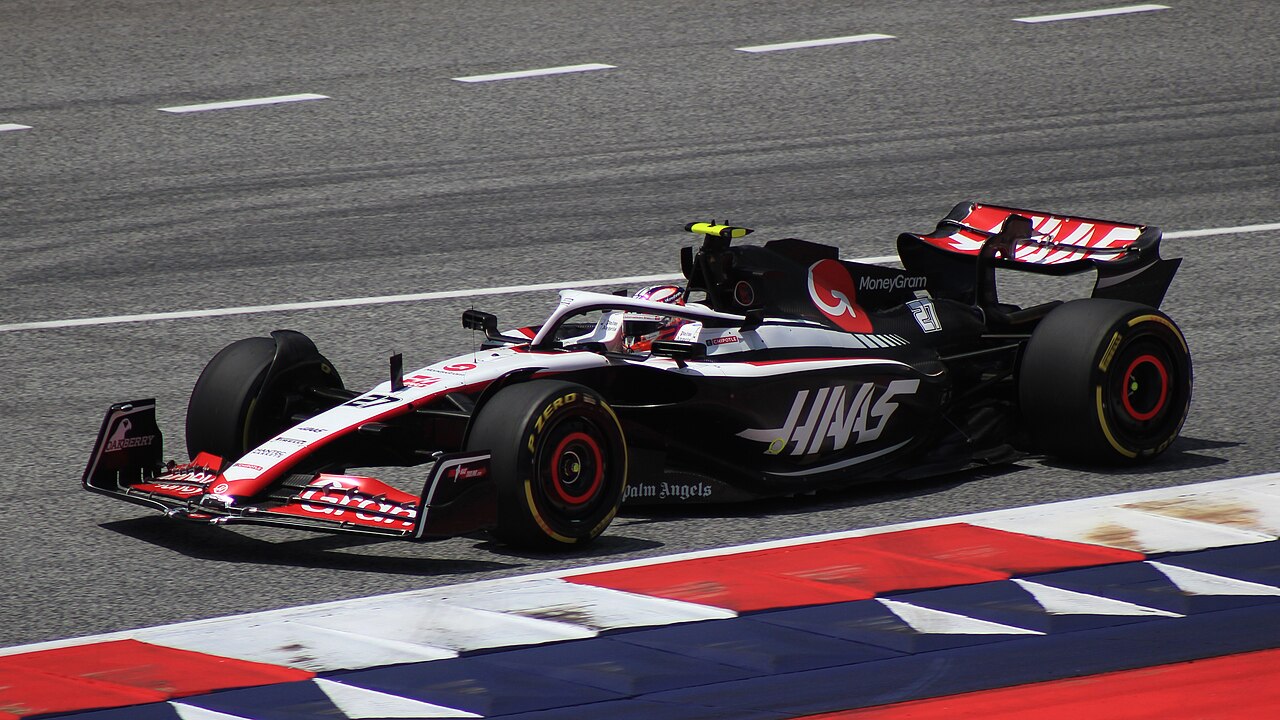
The Le Mans 2015 win on first attempt requires context: he was competing in both the 24 Hours and the F1 calendar simultaneously, drove through conditions including night sessions and rain, and won overall with Porsche against purpose-built LMP1 opposition. The physical and cognitive demands of endurance racing are categorically different from F1 sprint distances, and his ability to adapt immediately and excel reflects a mental processing capacity and physical endurance that the F1 weekend structure rarely exposes. His 2023 Haas season — P6 in the championship in machinery fourth-fastest at most rounds — is possibly the highest relative performance in the grid that year from any driver against machinery.
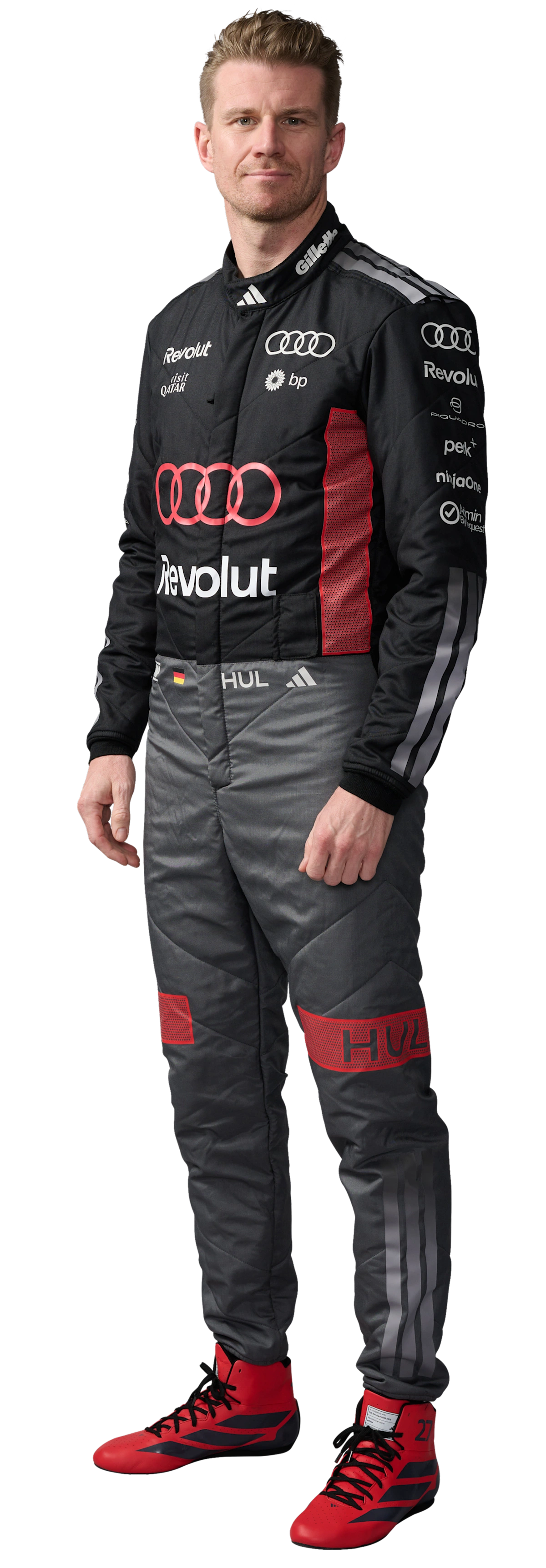
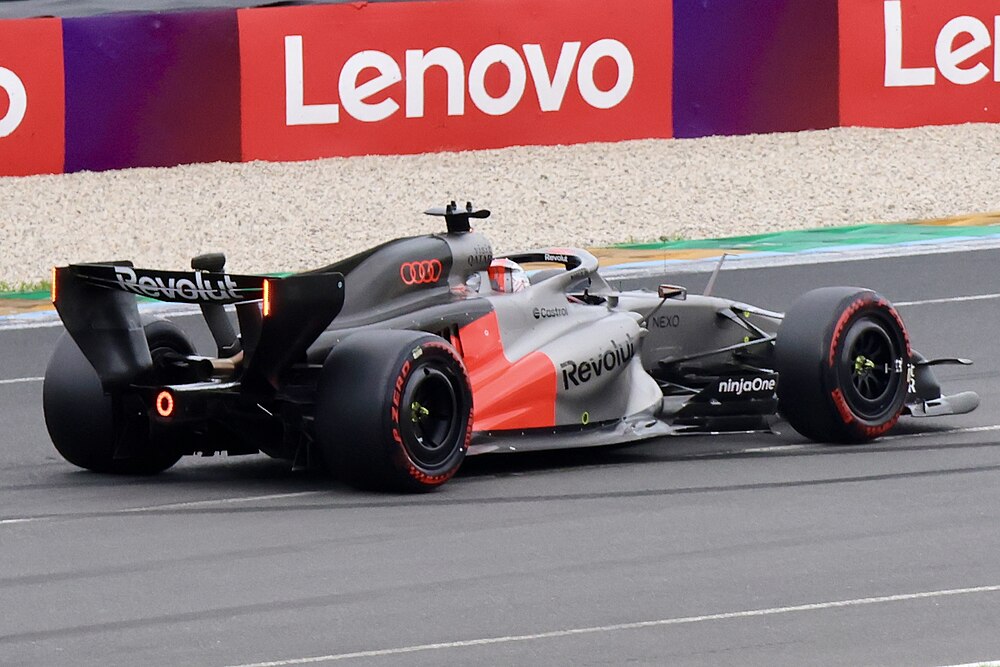
As Audi's lead development driver from 2026, what Hülkenberg contributes is not primarily pace — it is calibration. A new constructor's simulator correlation depends on drivers who can communicate precisely what the car is doing at each phase of each corner across varied circuits. His feedback quality, accrued across 228 F1 starts and five different car philosophies, is a genuine technical asset for a team building reference data from scratch.
SETUP PREFERENCE
NEUTRAL — BALANCED APPROACH
MEDIUM-STIFF
BALANCED
EXCELLED AT
STRUGGLED WITH
MORE BELOW · TRACKS · LAPS