
ERAS
DRIVING SIGNATURE
The shape of their driving, measured corner by corner against the rest of the grid.
SIGNATURE PENDING
Official timing telemetry covers Formula 1 from 2018 onwards, and a signature needs at least five sessions in one regulation era. Earlier careers will come from the onboard vision pipeline.
SETUP & STYLE
SCOUTING REPORT
How they set up the car, and the style that emerged from it.
THE REPORT
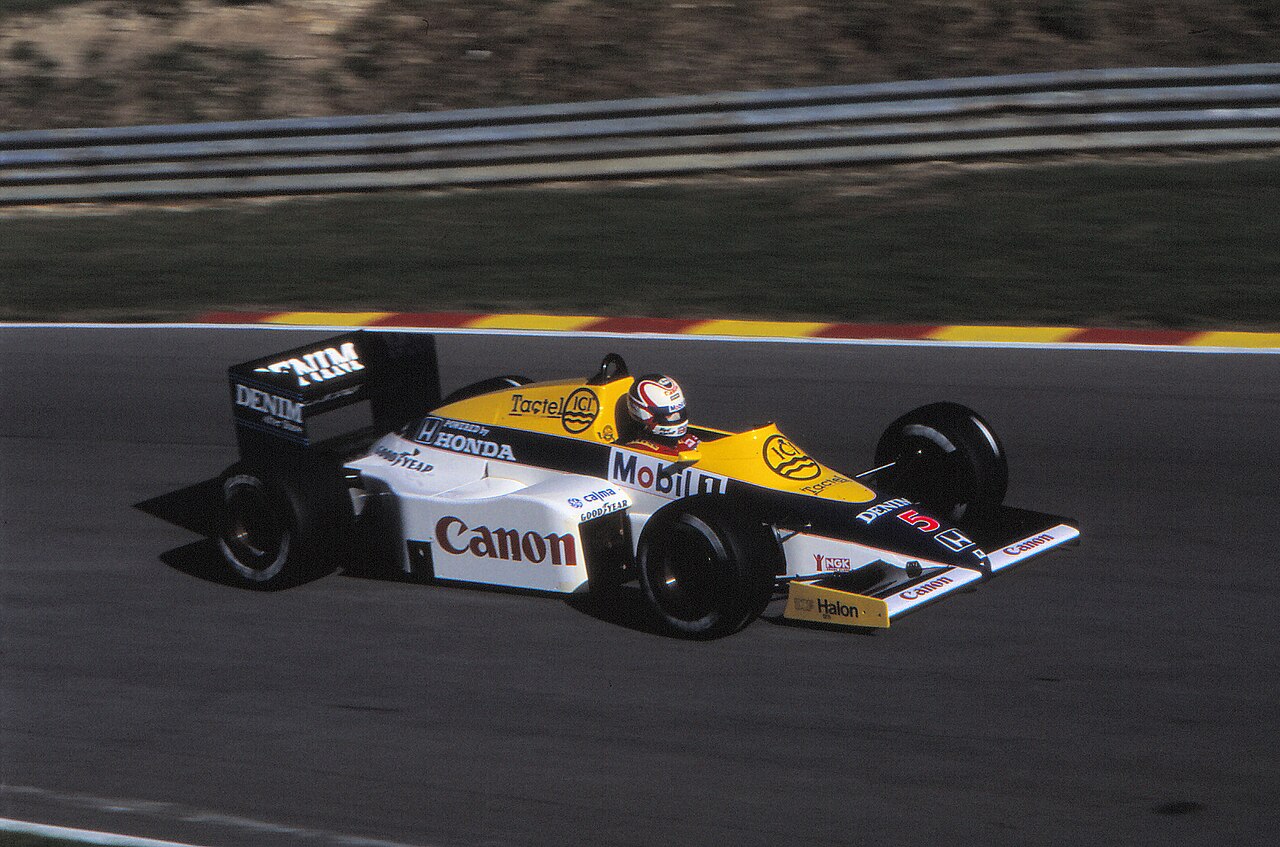
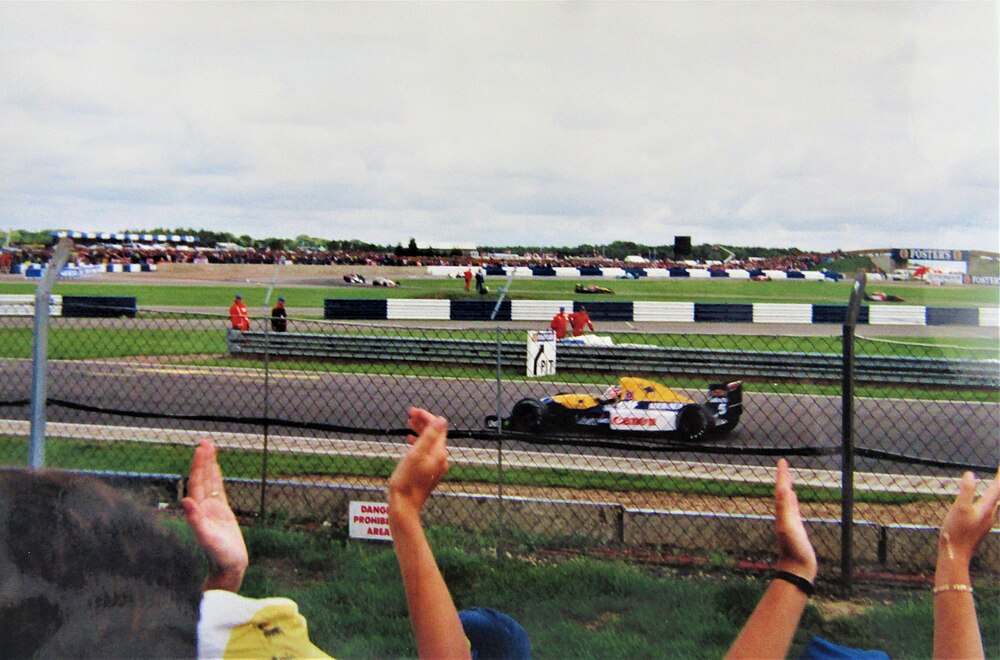
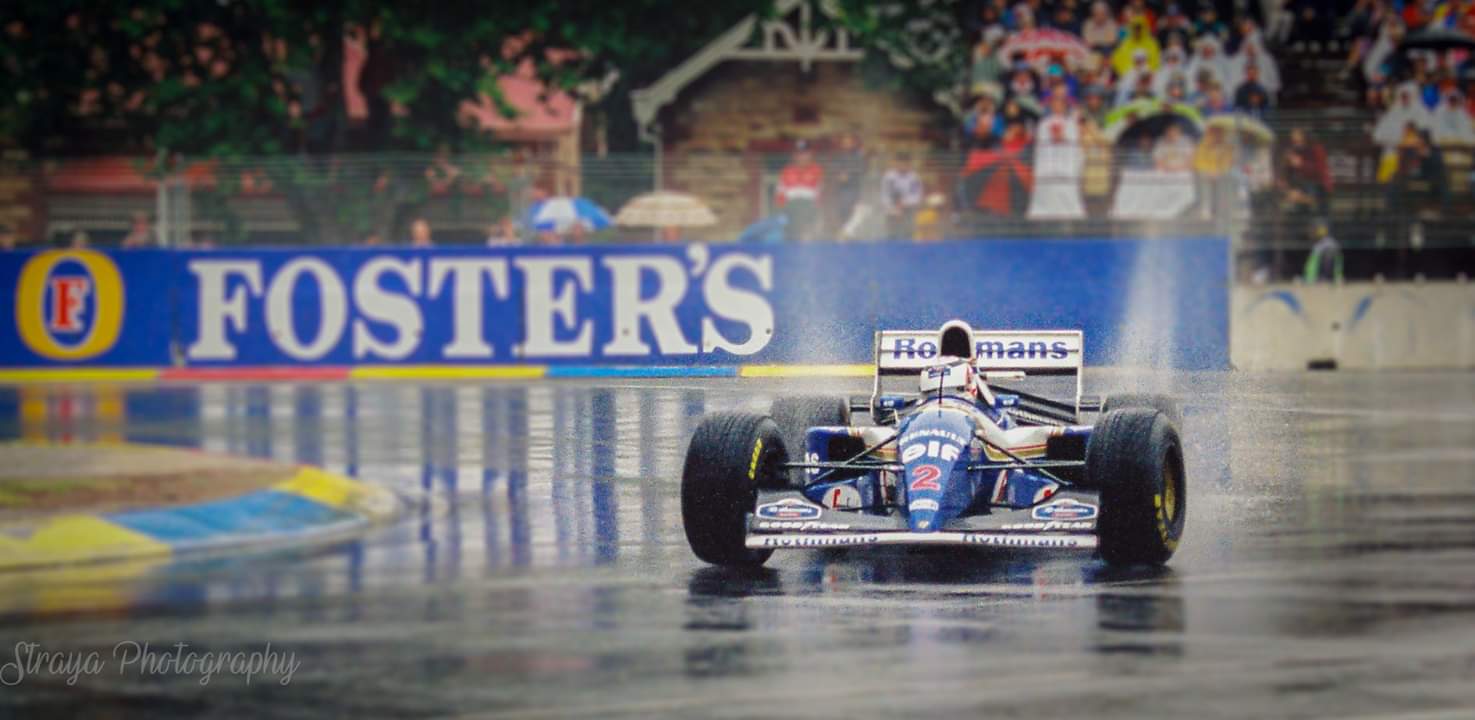
Mansell drove at the absolute physical limit of what the car and physics would tolerate — full entry commitment, every lap, no conservation phase. His braking was famously late, his entries aggressive in the extreme, and he generated extraordinary traction out of slow corners through a throttle application technique that required the active suspension and traction control of the Williams FW14B to manage the wheelspin his exit aggression produced. The FW14B was effectively designed as an enabler for his inputs: the active suspension kept the car stable through the aggressive entry angles he used, and the traction control meant his exit power application could be more aggressive than the mechanics of the rear axle would otherwise allow.
The 1986 season remains one of F1's most technically loaded tragedies. Leading the championship with the same points as Piquet and one more than Prost going into the final race, Mansell's rear tyre exploded at Adelaide at over 280km/h. He brought the car safely to rest and the championship went to Prost, who had pitted for fresh tyres at the optimal window while Mansell gambled on tyres that had exceeded their wear limit. The technical gap between their approaches to the same situation captures the stylistic and strategic difference between the two drivers with precise clarity.
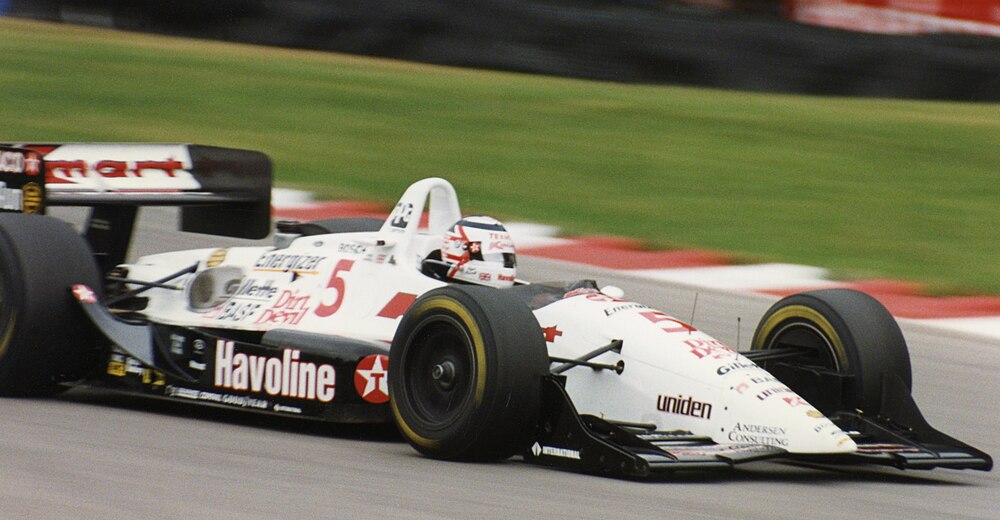
His CART championship in 1993 on first attempt — the first driver to hold both F1 and CART titles simultaneously — demonstrated physical and cognitive adaptability that F1-centric narratives rarely credit. Oval racing demands a specific entry style unlike circuit racing: banked corners, different asphalt grip characteristics, and traffic management in a 25-car field require different spatial calculations. Mansell adapted within a single season and won the series. His driving talent was wider than the F1 frame allowed it to appear.
SETUP PREFERENCE
OVERSTEER · HIGH ROTATION ON ENTRY
MODERATE-STIFF · HIGH-SPEED PRIORITY
HIGH DOWNFORCE · STABILITY UNDER ATTACK
EXCELLED AT
STRUGGLED WITH
MORE BELOW · TRACKS · LAPS