
ERAS
DRIVING SIGNATURE
The shape of their driving, measured corner by corner against the rest of the grid.
SIGNATURE PENDING
Official timing telemetry covers Formula 1 from 2018 onwards, and a signature needs at least five sessions in one regulation era. Earlier careers will come from the onboard vision pipeline.
SETUP & STYLE
SCOUTING REPORT
How they set up the car, and the style that emerged from it.
THE REPORT
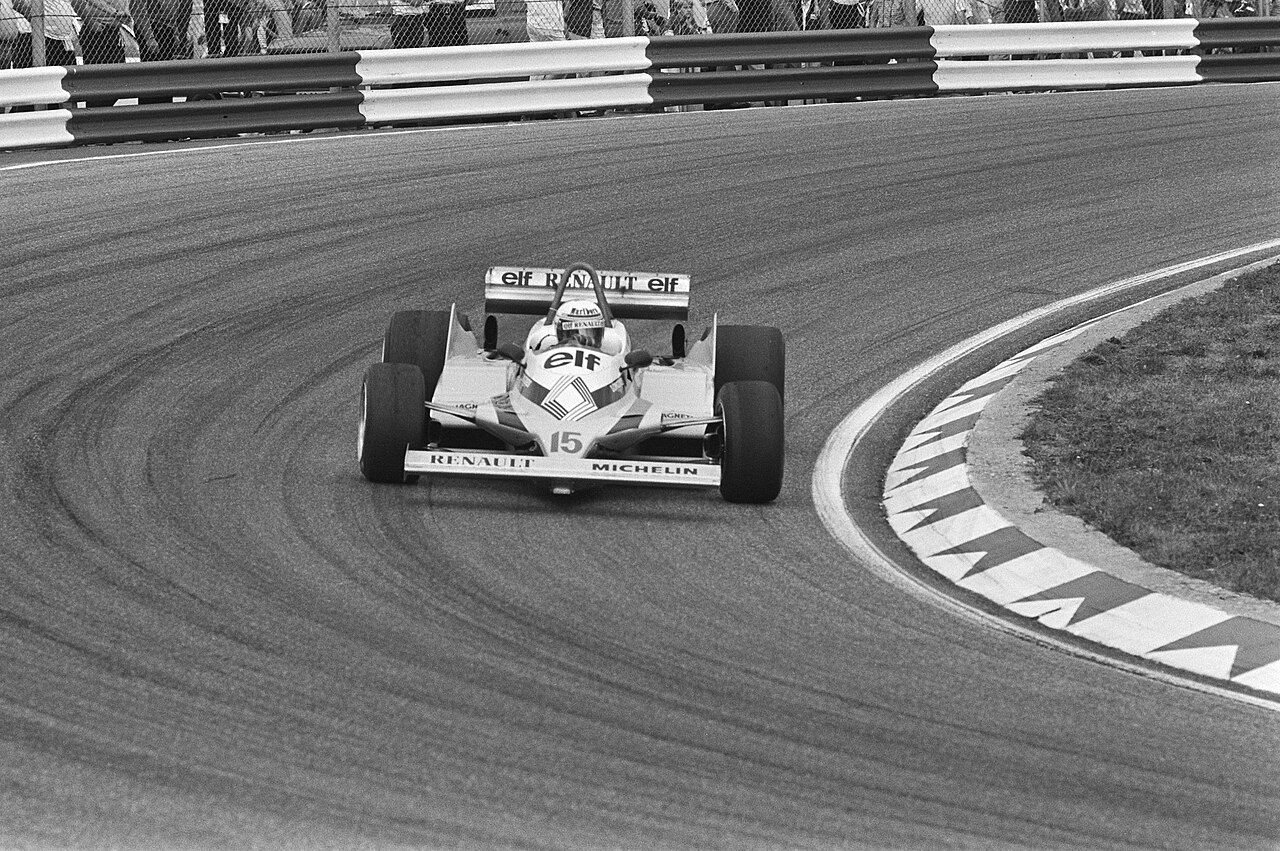
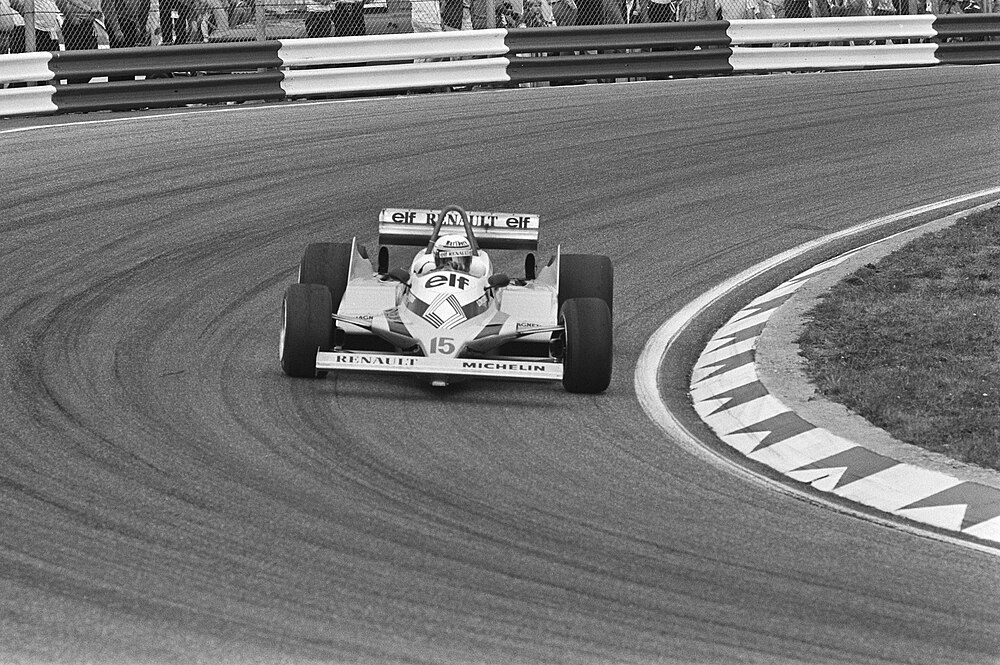
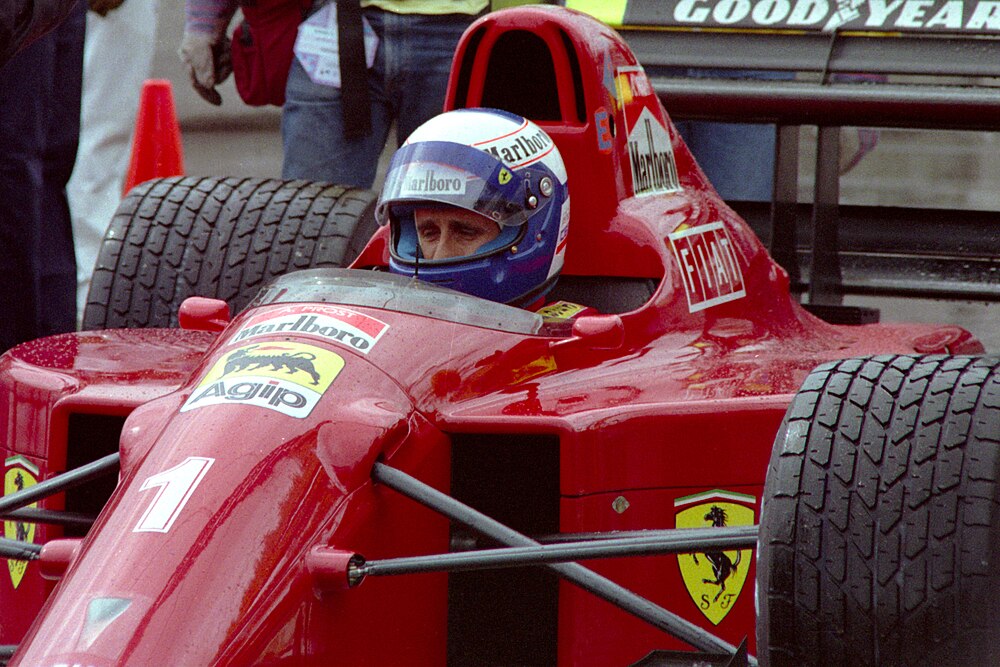
Prost earned the nickname 'The Professor' from a driving style that was the diametric opposite of Senna's visceral aggression. Where Senna attacked, Prost calculated. His car setup philosophy was built around tyre preservation — he ran the smoothest steering inputs of any driver in the turbo era, using trail braking only where it generated more corner speed than understeer, and modulating throttle application on exit with a precision that his engineers described as the cleanest telemetry they had ever seen. He didn't attack tyres; he managed their lifespan as a strategic resource across every lap of every race distance.
His tactical intelligence was unmatched. Prost understood that winning a world championship is not the same as winning races — it is a season-length optimisation problem. In 1986 he deliberately pitted for fresh tyres at the Australian GP finale while rivals gambled on worn rubber, winning the title when Mansell suffered a blowout and Piquet made a precautionary stop. That decision, made in the cockpit in real time under championship pressure, is a case study in the mathematics of risk management that racing schools still use as an example.
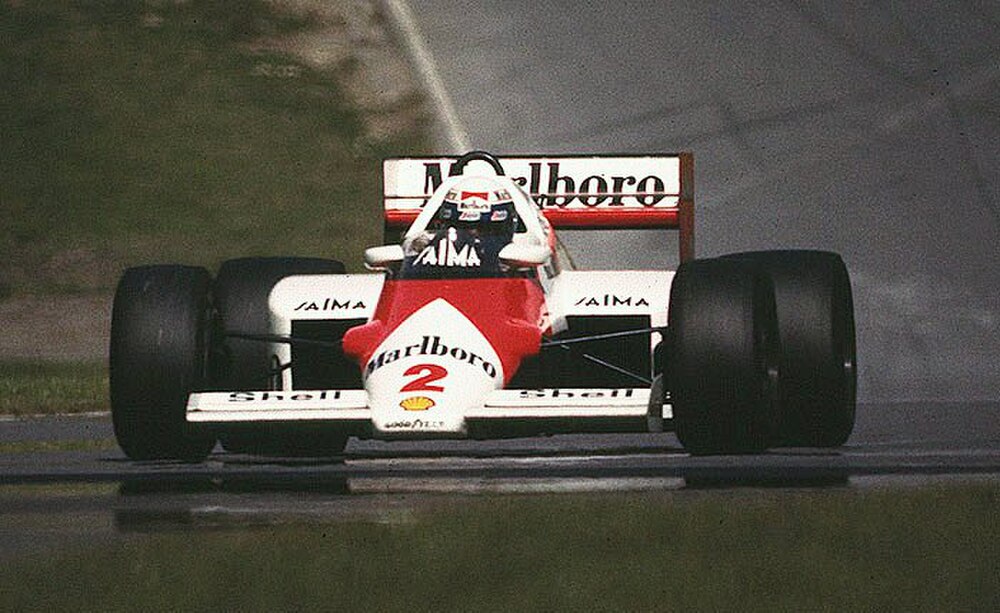
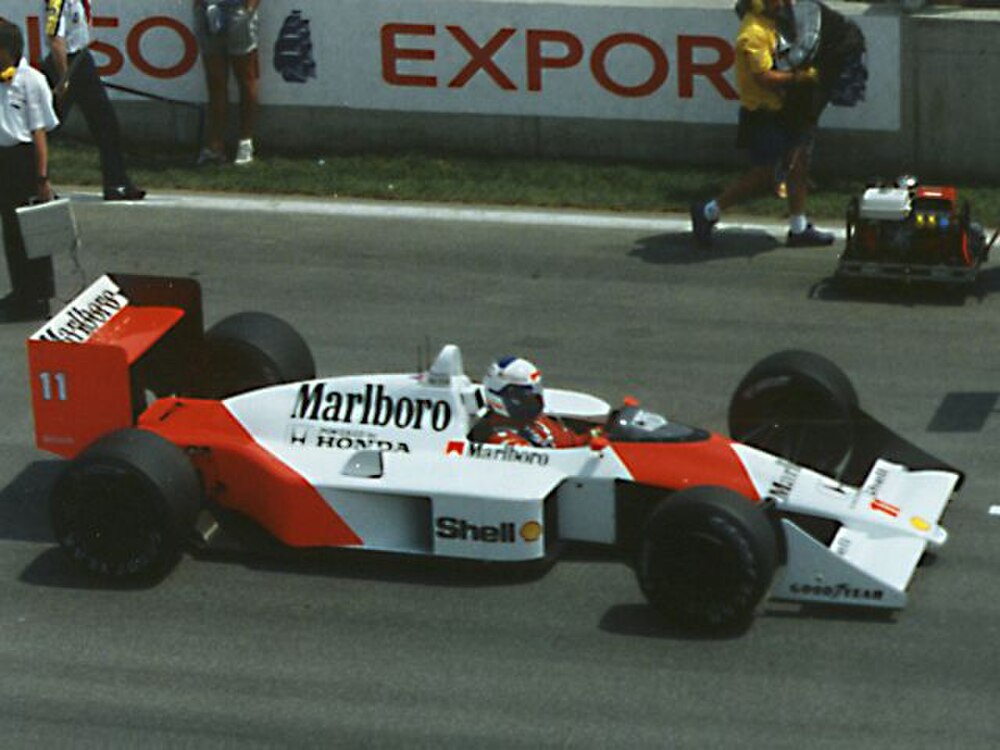
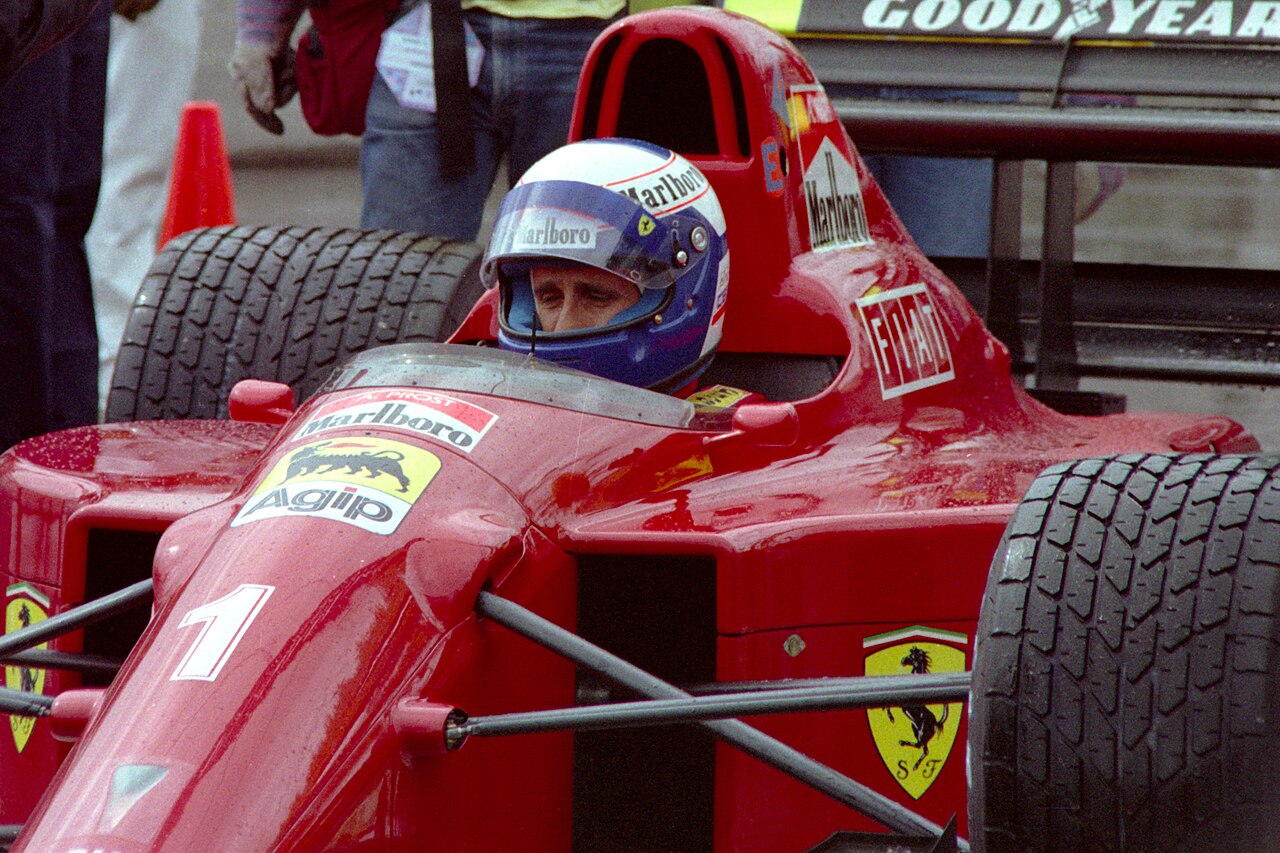
The Senna rivalry defined the late 1980s and remains the most discussed inter-team dynamic in the sport's history. At McLaren in 1988–89, both men operated at the boundary of racing conduct; at Suzuka 1989, Prost closed the door at the chicane in a move that was as calculated as his smooth steering inputs — he understood that the title mathematics made the collision the better outcome. His engineering feedback was so precise that both McLaren and Ferrari directed significant development investment based specifically on his corner-by-corner descriptions of car behaviour, often without requiring video review to act on his reports.
SETUP PREFERENCE
UNDERSTEER PREFERRED — PRESERVES FRONTS
SOFT COMPLIANCE — TYRE LONGEVITY
MODERATE-HIGH · STABILITY FOCUS
EXCELLED AT
STRUGGLED WITH
MORE BELOW · TRACKS · LAPS