ERAS
DRIVING SIGNATURE
The shape of their driving — computed from 606 laps of official timing data · vs. 2026 field.
THE FINGERPRINT
Six-axis breakdown: steering smoothness, entry aggression, tyre management, throttle application, braking, and consistency.
STEERING SMOOTHNESS PENDING — needs steering-angle data from onboard video
SETUP & STYLE
SCOUTING REPORT
How they set up the car, and the style that emerged from it.
THE REPORT
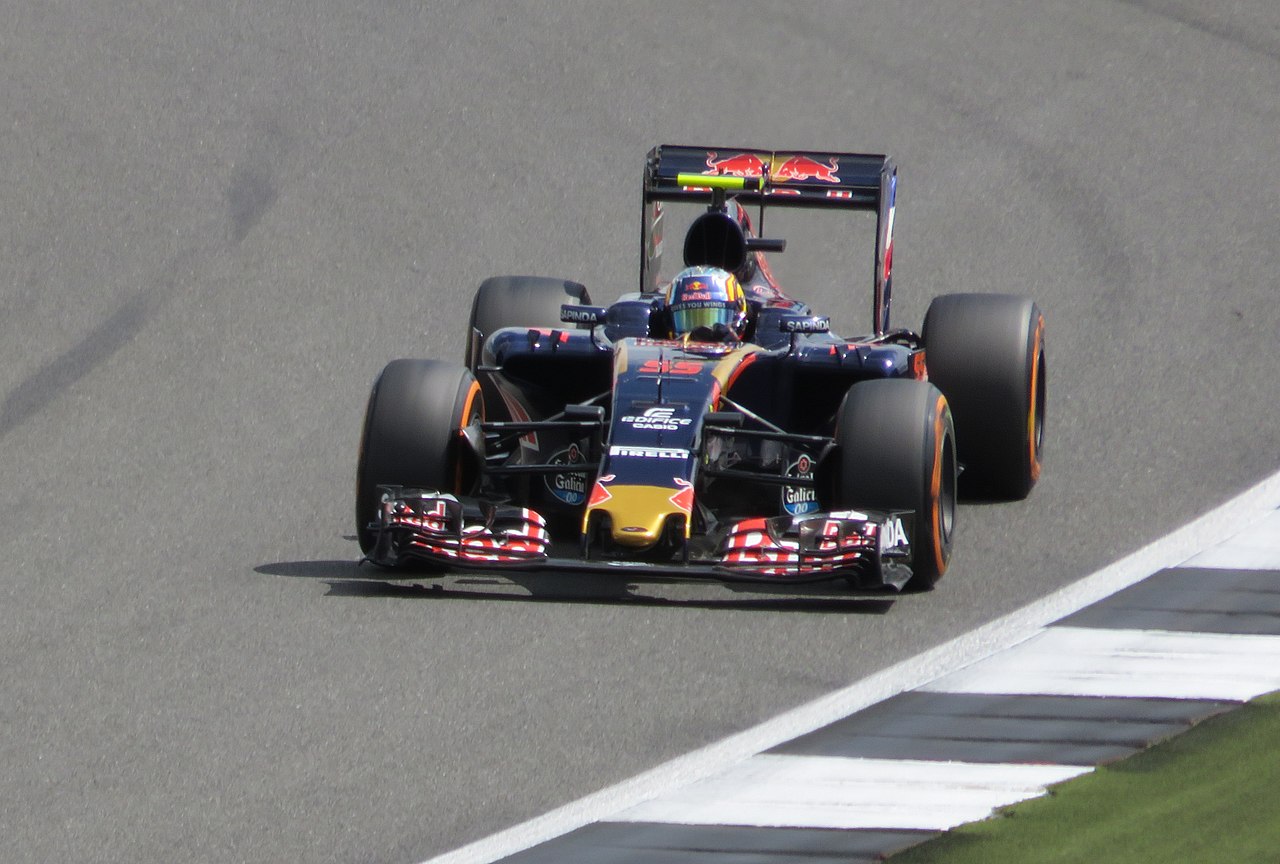
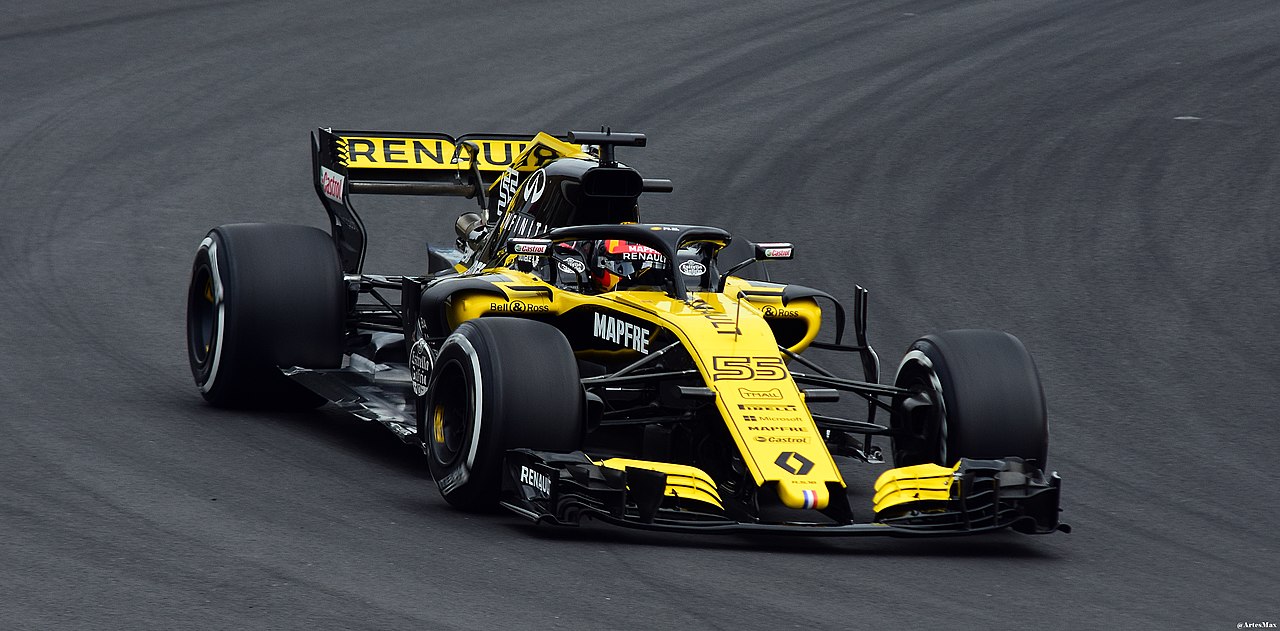
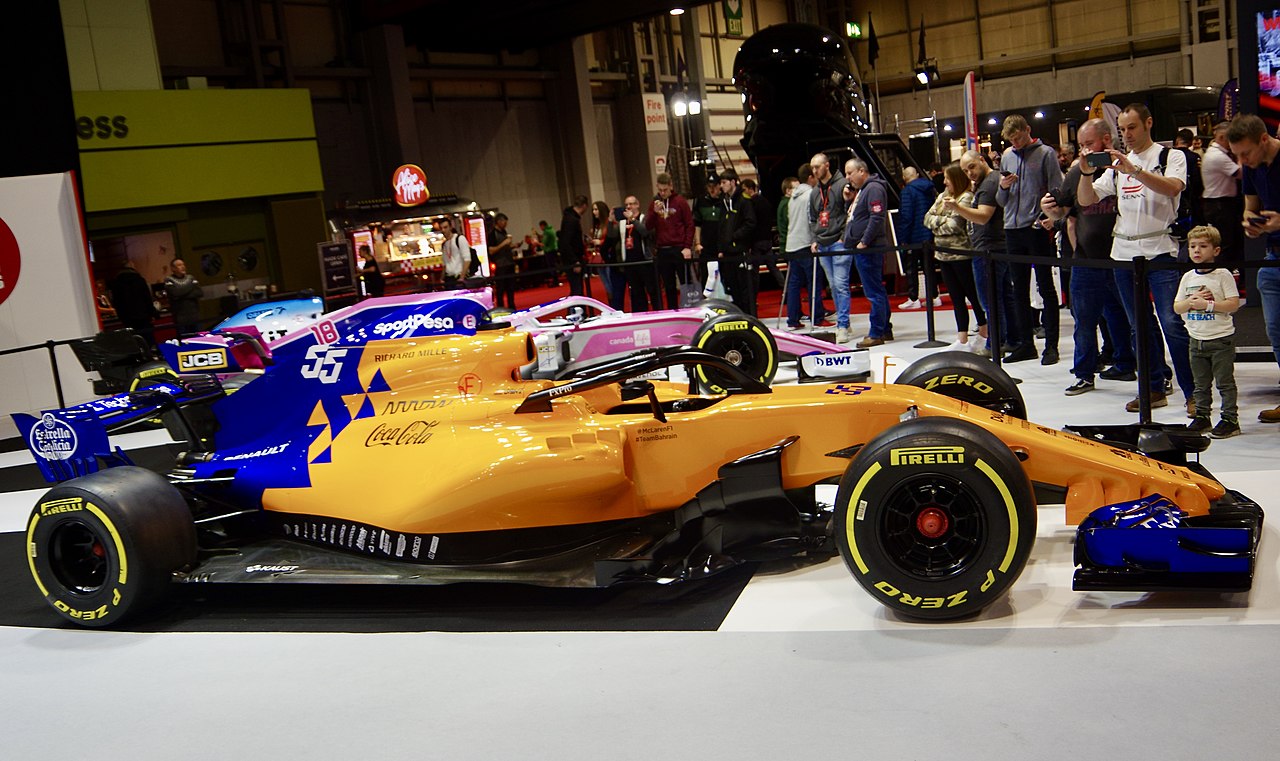
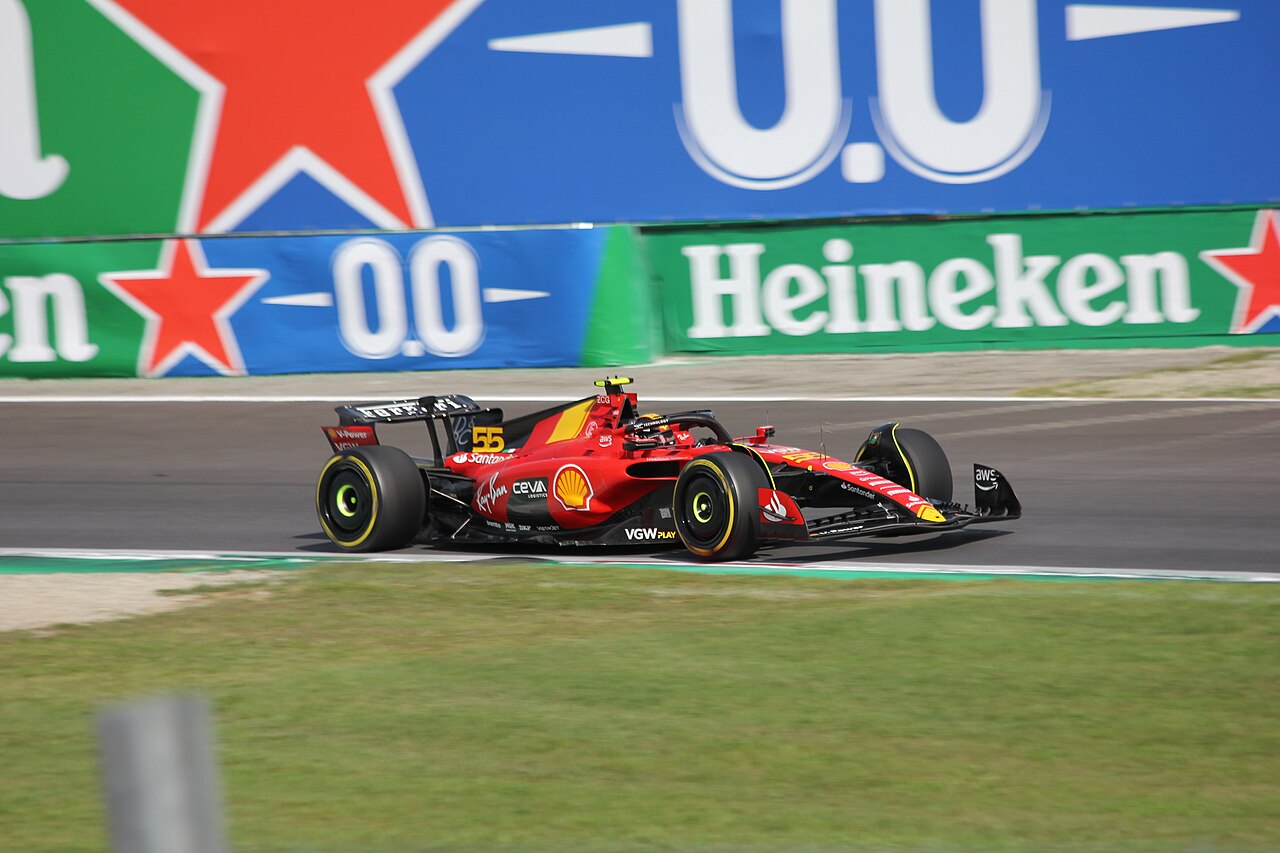
Sainz's most distinctive hardware preference is a bespoke steering column paddle configuration he has maintained across every team since his Red Bull junior programme — a twin-paddle layout for KERS and DRS management during the braking phase. Ferrari initially resisted it; Williams accommodated it immediately for 2025. This insistence on a specific physical interface is part of a broader pattern: Sainz manages the entry and braking phases with more deliberate attention to the simultaneous relationship between steering and throttle-adjacent inputs than most drivers, and the paddle layout supports an activation simultaneity that would be more difficult with standard systems.
His driving style builds lap time through mid-corner smoothness: he manages entry understeer rather than eliminating it, carrying a mild push through the front axle rather than forcing immediate rotation. The cost is a slightly later rotation point than drivers like Leclerc or Verstappen in equivalent cars. The benefit is dramatically lower rear tyre scrub — the exit phase is more stable, generating better traction and preserving rear rubber for the final stint. Singapore 2023 is the archetype: tyres alive over 60 laps on a circuit that normally degrades rubber at double the rate, converted from pole to victory through a margin management approach that would have been impossible with a more aggressive entry.
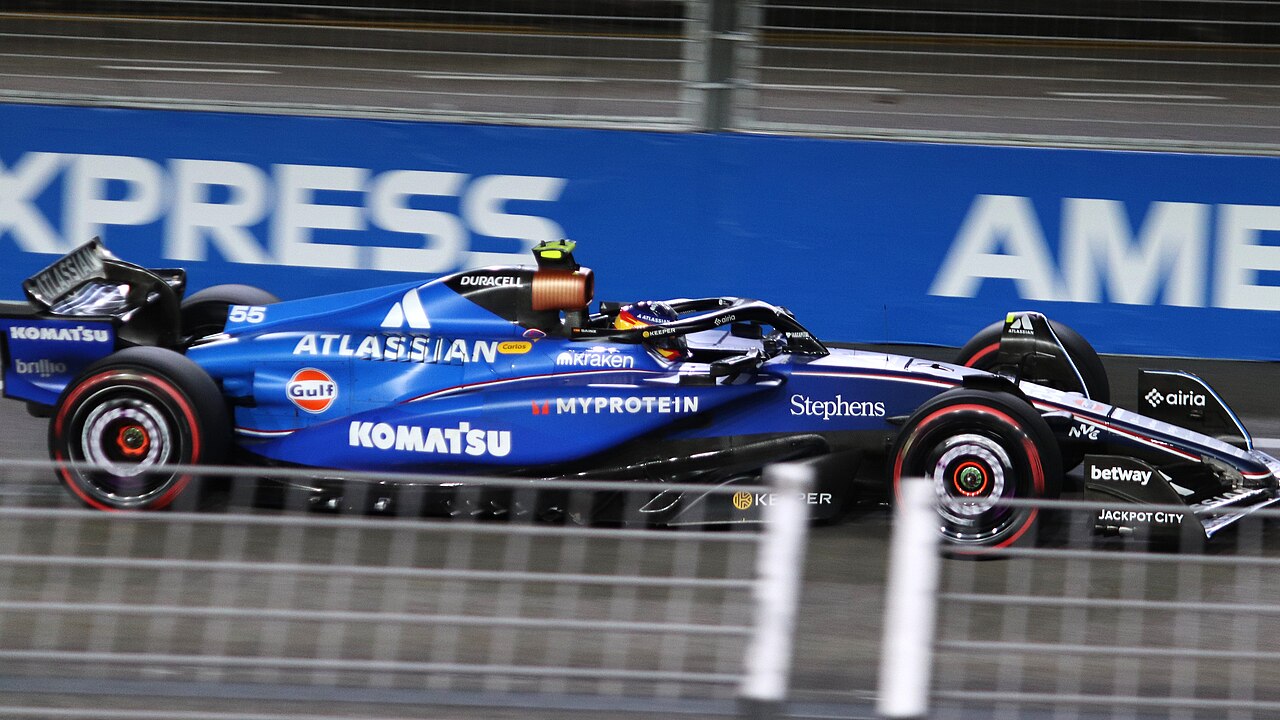
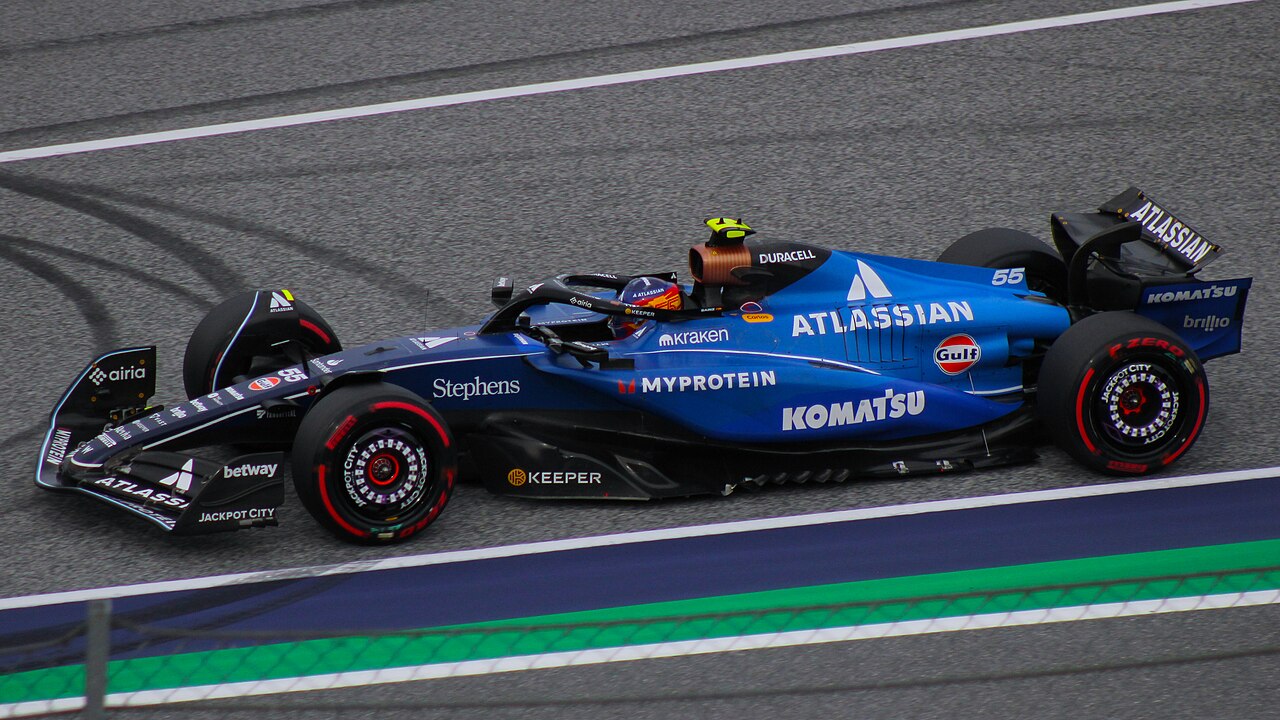
His Williams 2025 adaptation showed the fingerprint of four Ferrari seasons: early-season oversteer corrections under braking that were atypical for his historical data, caused by residual Ferrari techniques applied to a car less tolerant of high rotation. By midseason those corrections had resolved — tracking his pattern across five teams of an adaptation that always completes but always requires a learning arc. The speed with which he resolved it confirmed that his quality persists independent of the machine.
SETUP PREFERENCE
BALANCED ROTATION
SLIGHTLY STIFF · STABLE
MODERATE-HIGH DOWNFORCE
EXCELLED AT
STRUGGLED WITH
MORE BELOW · TRACKS · LAPS