ERAS
DRIVING SIGNATURE
The shape of their driving, measured corner by corner against the rest of the grid.
SIGNATURE PENDING
Official timing telemetry covers Formula 1 from 2018 onwards, and a signature needs at least five sessions in one regulation era. Earlier careers will come from the onboard vision pipeline.
SETUP & STYLE
SCOUTING REPORT
How they set up the car, and the style that emerged from it.
THE REPORT
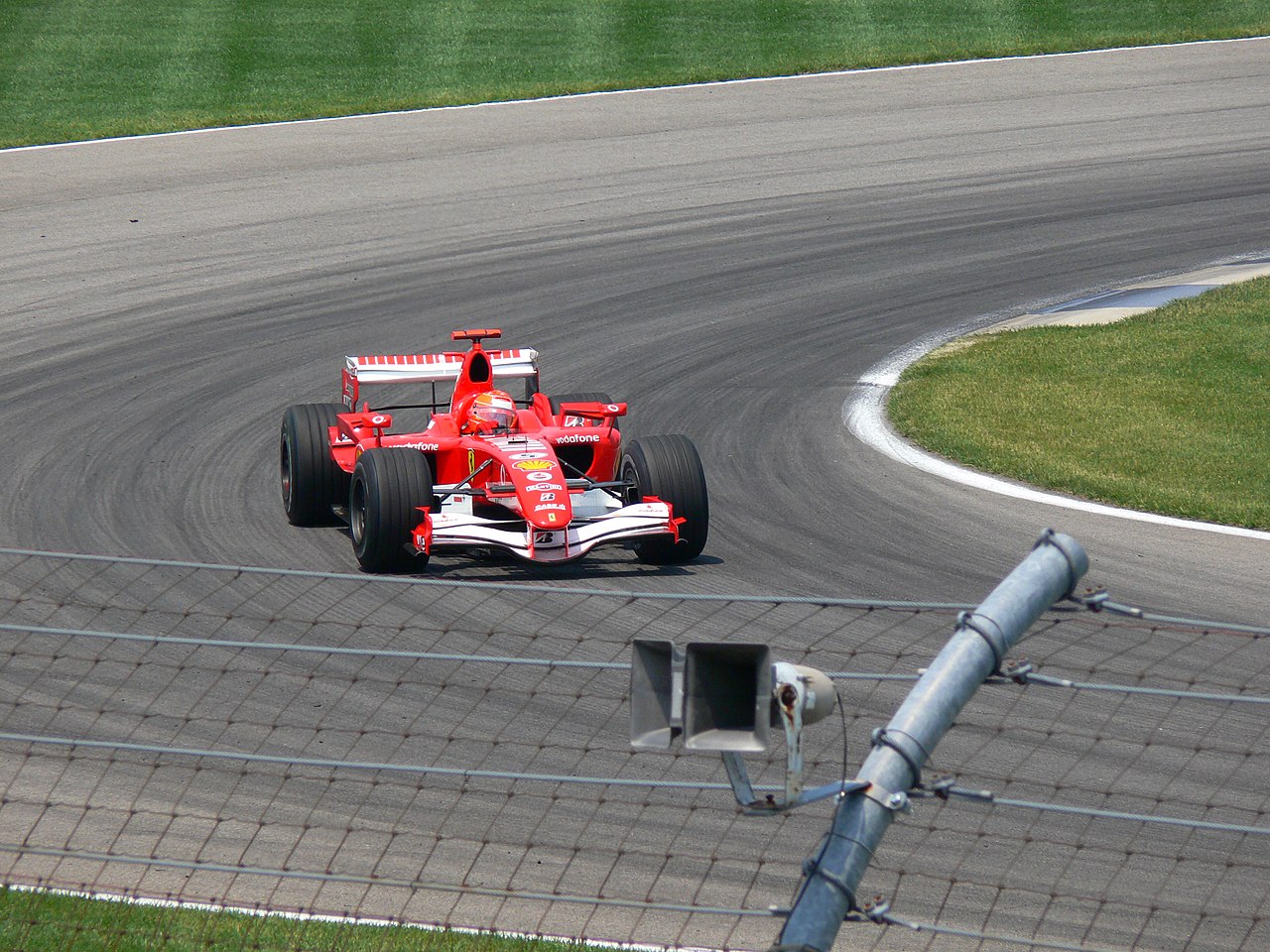
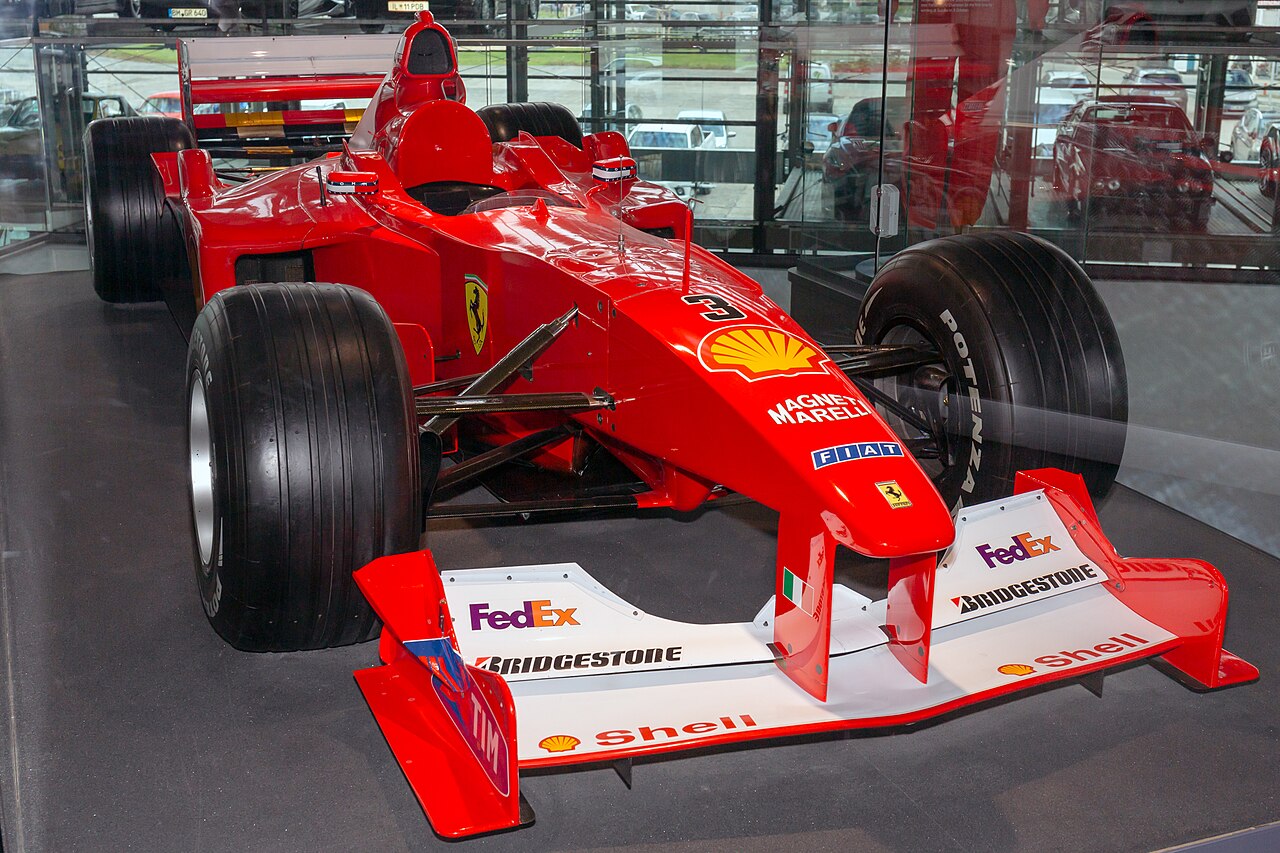
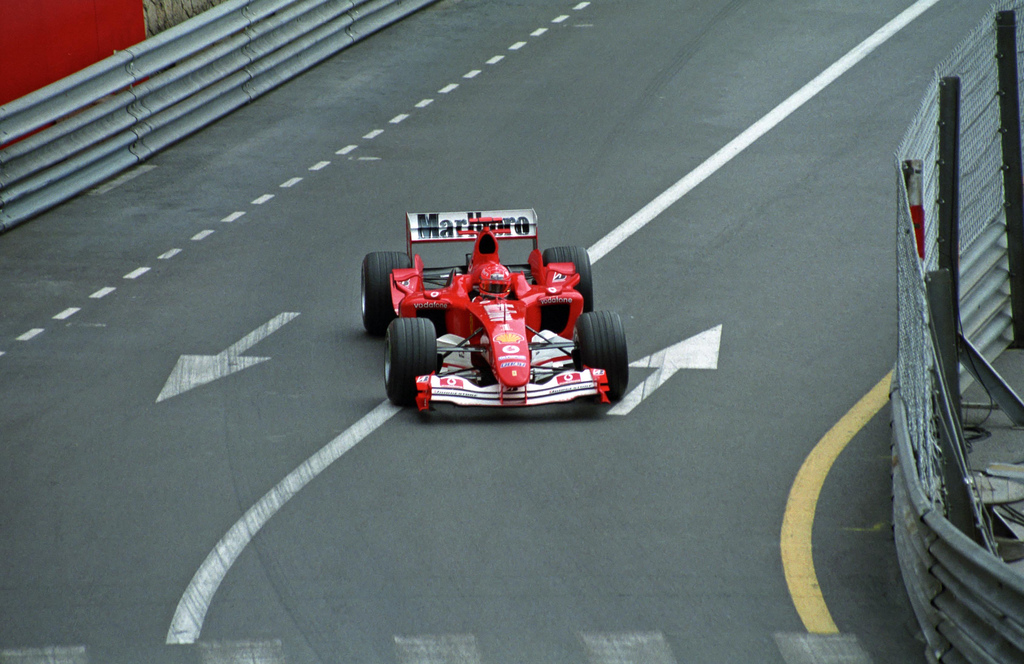
Schumacher's defining physical technique was late braking — he carried deceleration force deeper into slow corners than any contemporary, with data showing braking points consistently later than Barrichello in the same Ferrari machinery. The specific consequence is a higher car speed at turn-in: more speed means more grip load on the front axle at the entry moment, which converts into more rotation through the apex if the car is set up to use it. Ferrari under Ross Brawn understood this and specified the F2004 explicitly around his inputs — rear-stable under trail braking, responsive to the rapid throttle application his exit technique demanded.
Beyond raw technique, what separated Schumacher from contemporaries was physical preparation as a competitive input. He was the first driver to treat conditioning as a specific performance variable — designing training programmes around reaction time, eye movement speed, and core stability at sustained 5G loads. This is now universal in the sport; in the 1990s it was a genuine performance edge. His race intelligence was equally advanced: his ability to manage pace, apply strategic pressure on rivals without extending machinery, and select the optimal overtaking window under pressure produced a pattern of dominant victories less visible in qualifying margins than in race-finishing gaps.
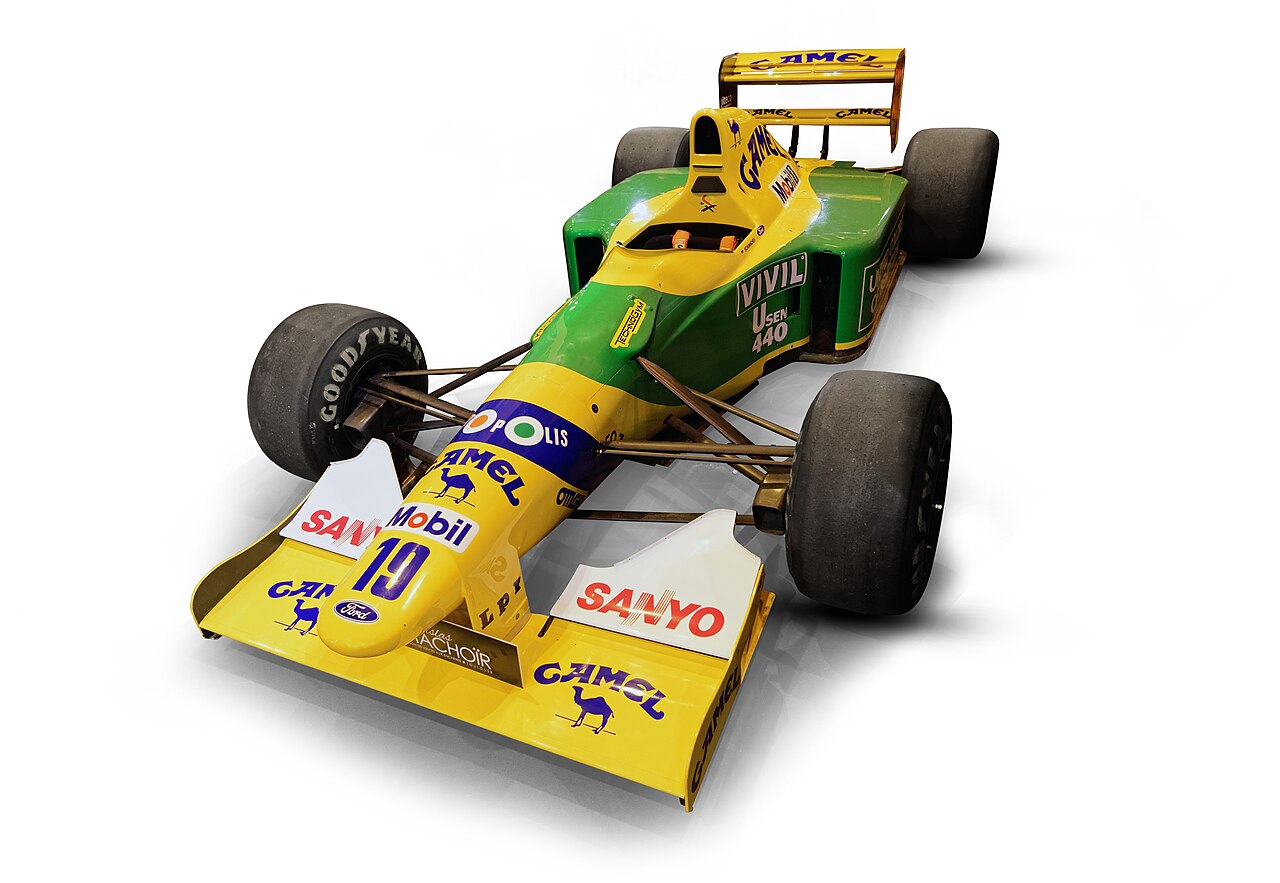
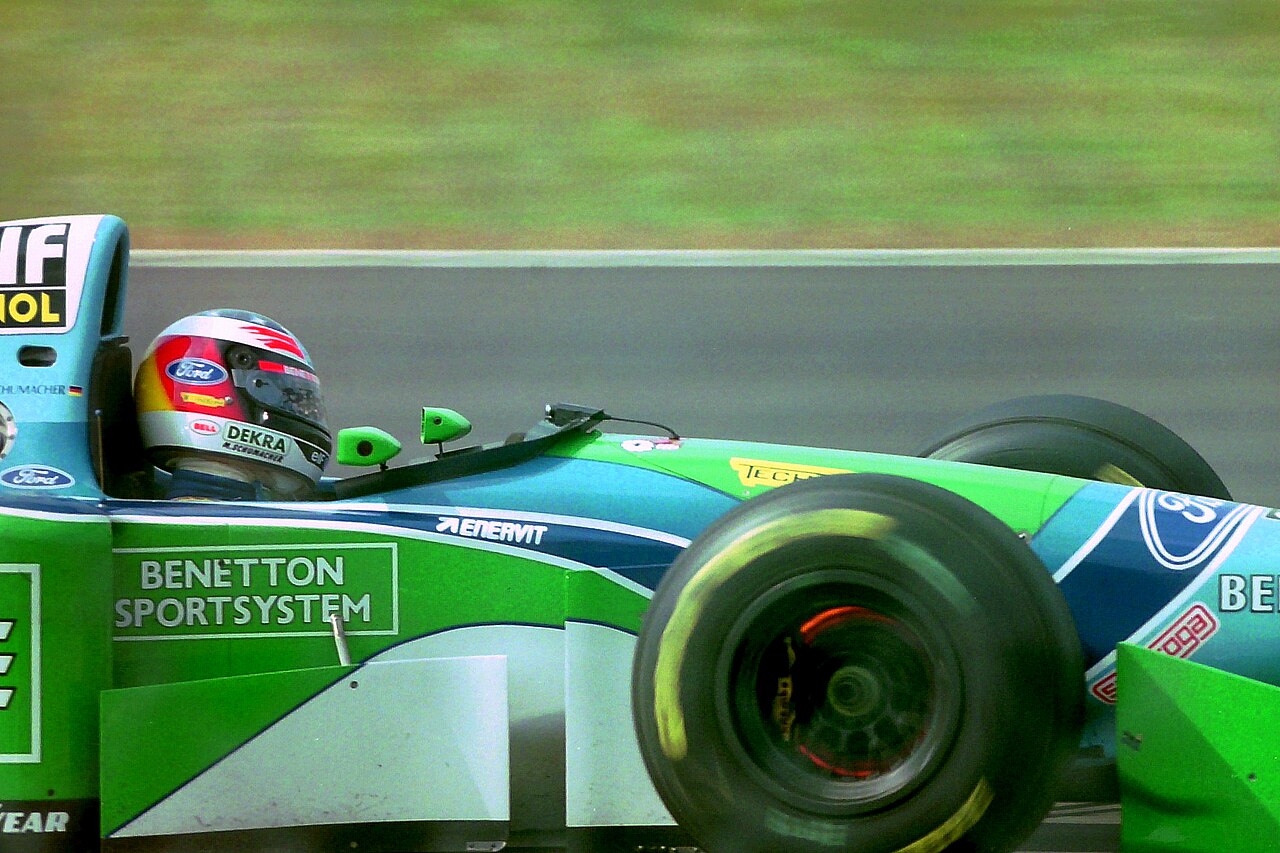
The 1994 and 1997 incidents are part of the technical record. At Adelaide 1994, his Benetton's contact with Hill's Williams at the championship-deciding moment remains debated — the contact was consistent with either a defensive block that misjudged the closing rate or a deliberate move. At Jerez 1997, his Ferrari turned into Villeneuve's car at a moment where the physics of the incident are inconsistent with an accidental collision; he was stripped of his championship position. These incidents do not diminish 91 wins and seven titles; they contextualise the competitive psychology of a driver who treated winning as a complete priority, including in situations where the rules defined the permissible boundary.
SETUP PREFERENCE
SLIGHT OVERSTEER · CONTROLLED ROTATION
STIFF · PRECISE KERB RESPONSE
HIGH DOWNFORCE · STABILITY PRIORITY
EXCELLED AT
STRUGGLED WITH
MORE BELOW · TRACKS · LAPS