ERAS
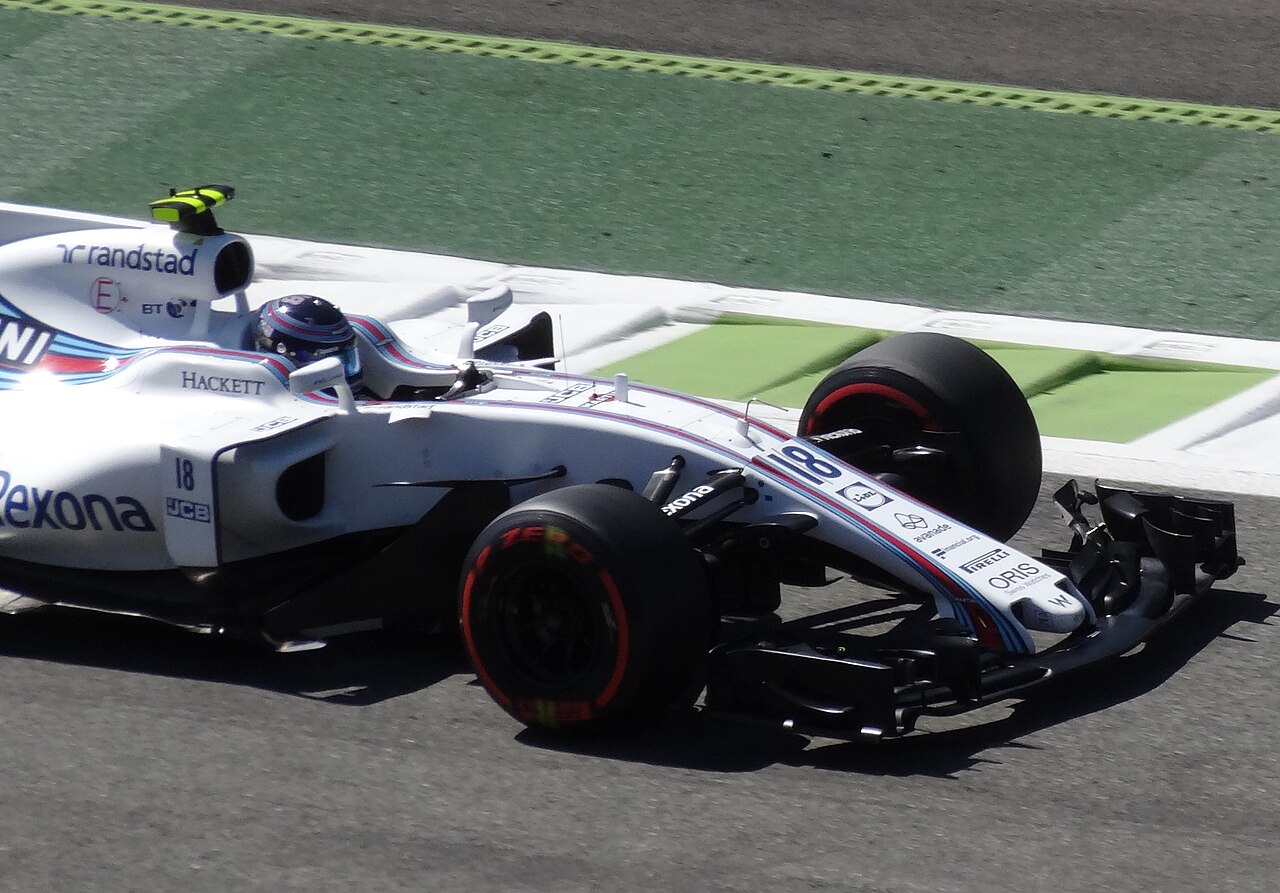
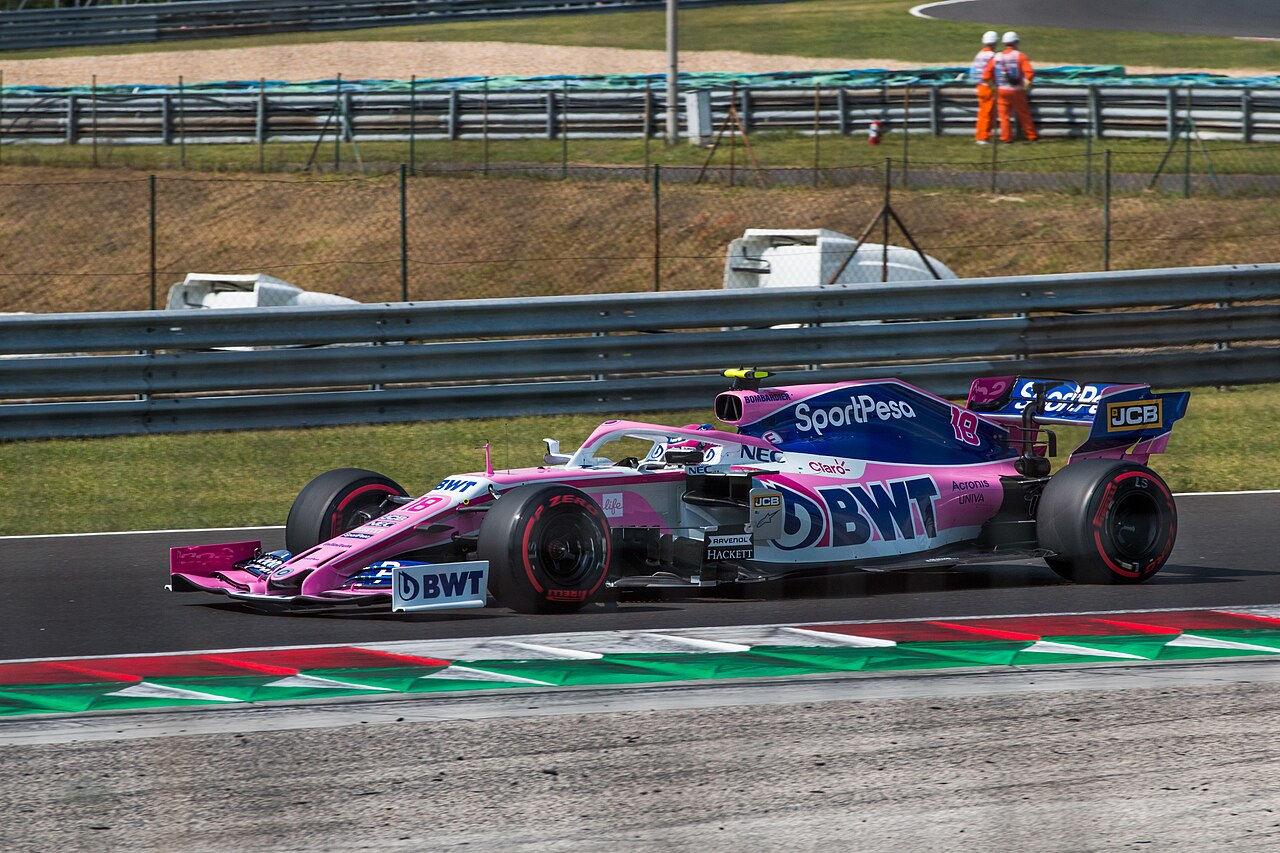
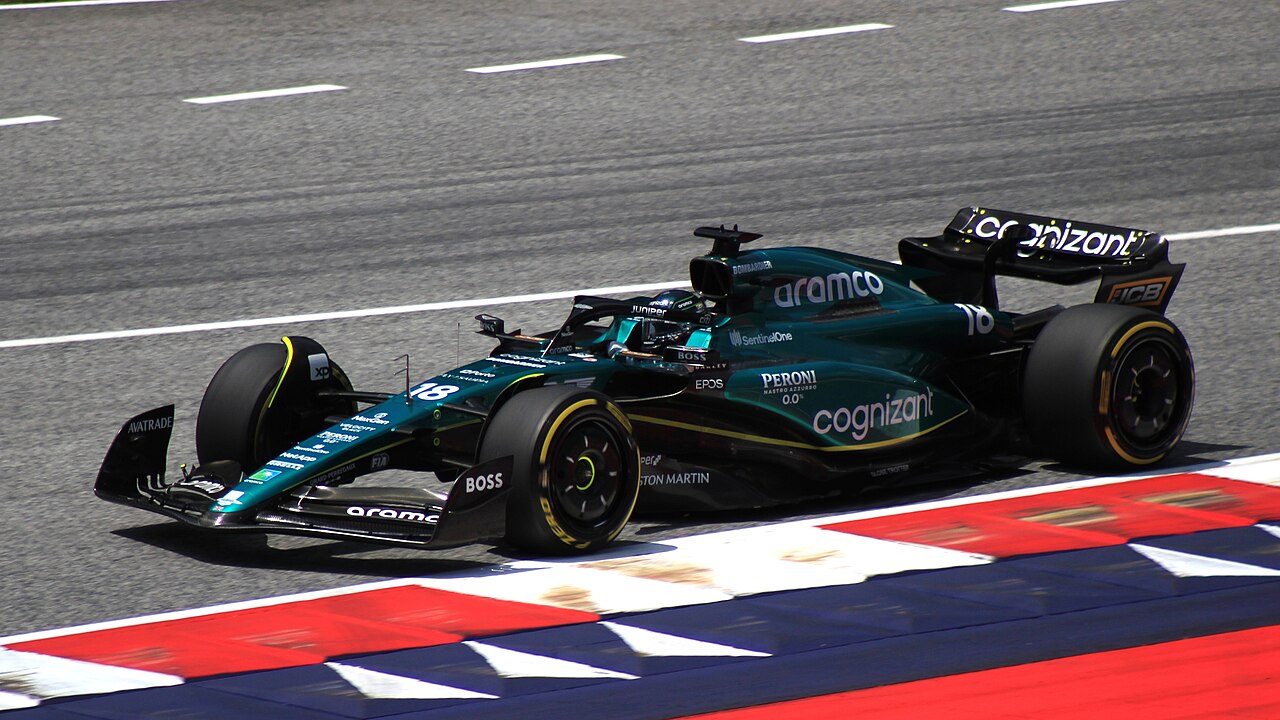
DRIVING SIGNATURE
The shape of their driving — computed from 365 laps of official timing data · vs. 2026 field.
THE FINGERPRINT
Six-axis breakdown: steering smoothness, entry aggression, tyre management, throttle application, braking, and consistency.
STEERING SMOOTHNESS PENDING — needs steering-angle data from onboard video
SETUP & STYLE
SCOUTING REPORT
How they set up the car, and the style that emerged from it.
THE REPORT
Stroll's three pole positions share the same technical condition: reduced grip, non-standard track evolution, and a surface demanding car-feel over commitment. In standing water (Monza 2020, Turkey 2020) and an evolving damp track (Baku 2021), the qualifying hierarchy inverts. Drivers who read degraded grip through steering feedback — which Stroll does with unusual precision — gain relative to drivers whose dry-weather technique relies on aggressively loading the front axle. His entry technique in these conditions is notably smoother than in the dry: short-range trail braking that maintains rear stability when grip is inconsistent, letting the car rotate naturally rather than forcing it.
In dry conditions, the same technique produces a different result. The dry entry phase requires generating front-axle load earlier and more aggressively to hit peak rotation angle before the apex — an input pattern Stroll's natural style does not produce reliably. His qualifying ceiling in dry, stable conditions is consistently 0.3–0.5 seconds off the benchmark, reflecting not a ceiling on car speed but on the specific technique required to extract the car's final performance margin when traction is predictable and rivals are at their maximum.
As a race driver, Stroll is more complete than the qualifying narrative suggests. His Baku podiums — the 2017 debut result and subsequent Azerbaijan performances — demonstrate genuine wheel-to-wheel composure under pressure and an understanding of the grip transitions inherent in street circuit surfaces. His tyre management on race day is solid, reflecting the same feel-based approach that produces his wet qualifying results. The performance profile is genuinely unusual: a driver who can reach pole in the rain and struggle to escape Q2 in the dry is displaying a talent distribution that the standard single-laptime framework doesn't accommodate.
SETUP PREFERENCE
SLIGHT UNDERSTEER TENDENCY
BALANCED PREFERENCE
HIGH-DF PREFERRED
EXCELLED AT
STRUGGLED WITH
MORE BELOW · TRACKS · LAPS