ERAS
DRIVING SIGNATURE
The shape of their driving — computed from 603 laps of official timing data · vs. 2026 field.
THE FINGERPRINT
Six-axis breakdown: steering smoothness, entry aggression, tyre management, throttle application, braking, and consistency.
STEERING SMOOTHNESS PENDING — needs steering-angle data from onboard video
SETUP & STYLE
SCOUTING REPORT
How they set up the car, and the style that emerged from it.
THE REPORT
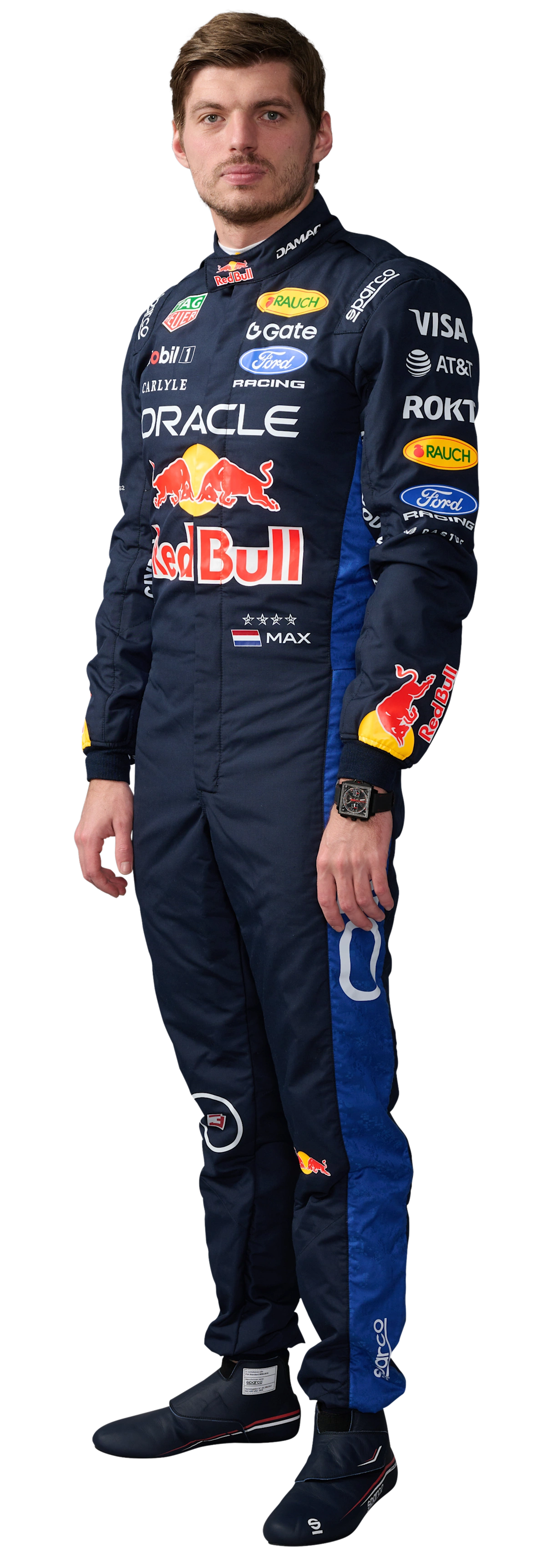
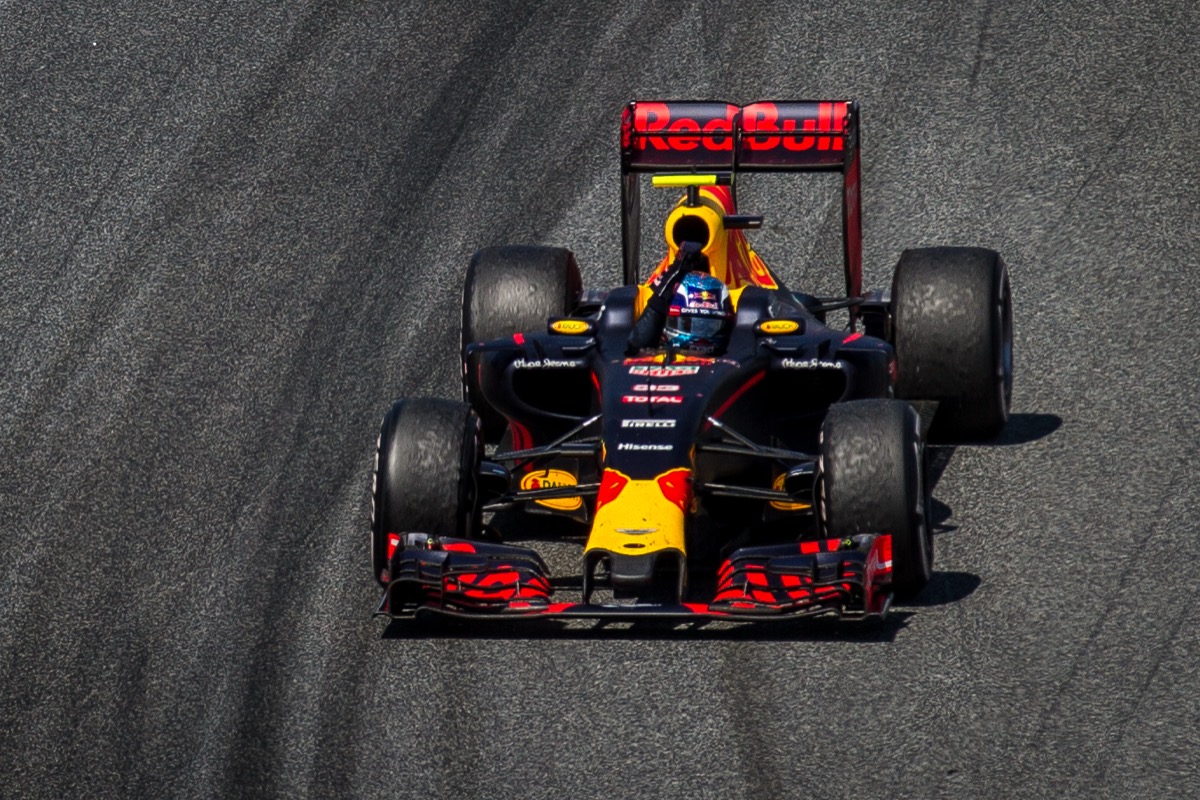
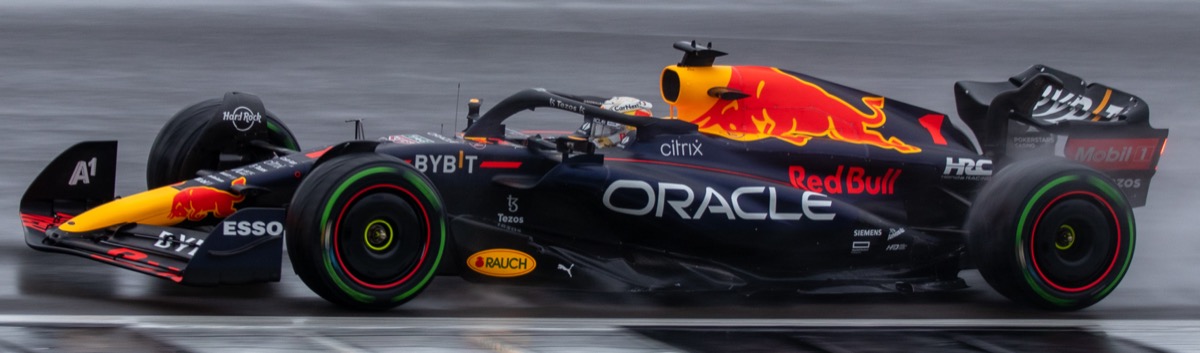
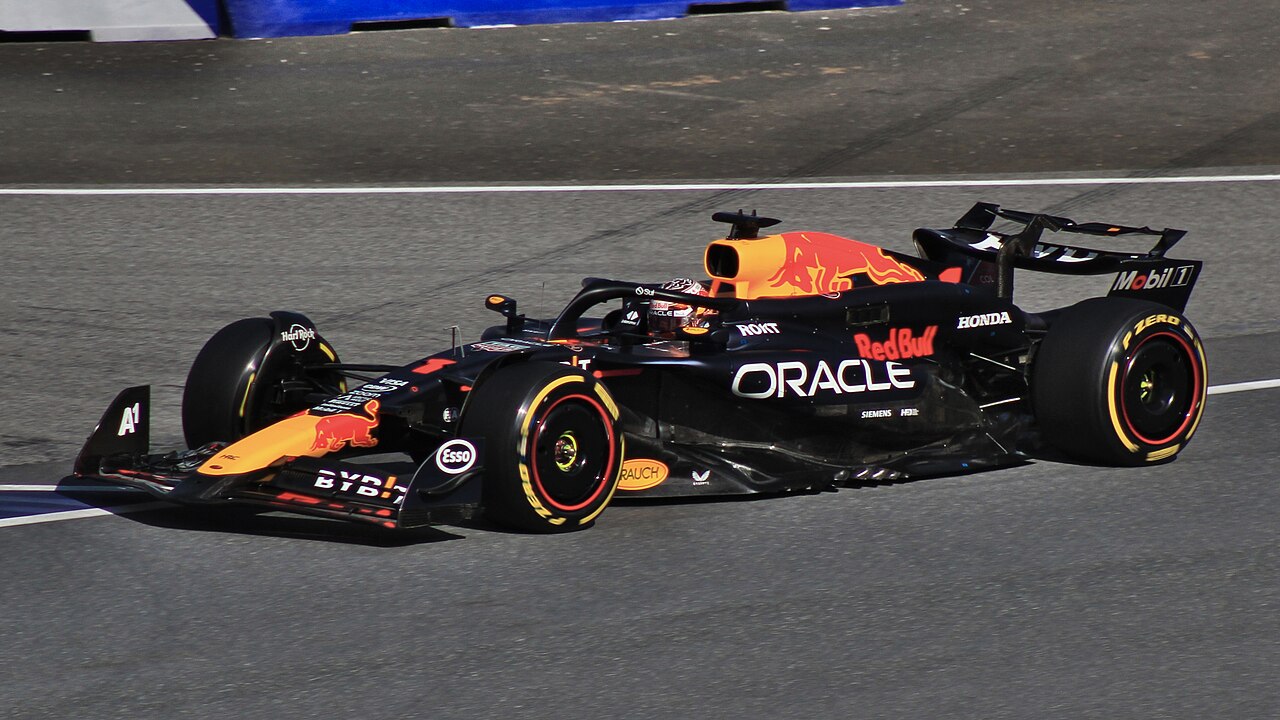
Verstappen brakes later than any current peer and uses a sharp, committed release — not progressive trail-braking — to rotate the car through the braking zone, loading the rear axle through pedal work rather than steering angle; the gap to his teammates is consistently largest at late-braking, slow-speed hairpins, which is where this technique generates the most time relative to a conventional entry. His setup runs less rear wing than Pérez at equivalent circuits, trading downforce for mechanical grip confidence that enables earlier, more aggressive throttle on corner exit — he accepts the resulting rear slip rather than waiting for the car to settle, and his reflexes catch the oversteer at a timing no other current driver has been observed replicating at pace. Wet conditions amplify his advantage because his commitment level and braking references do not reduce proportionally with grip loss — the same high-confidence inputs that define his dry technique are sustained in rain, which explains his wet-weather dominance at circuits with heavy-braking slow corners.
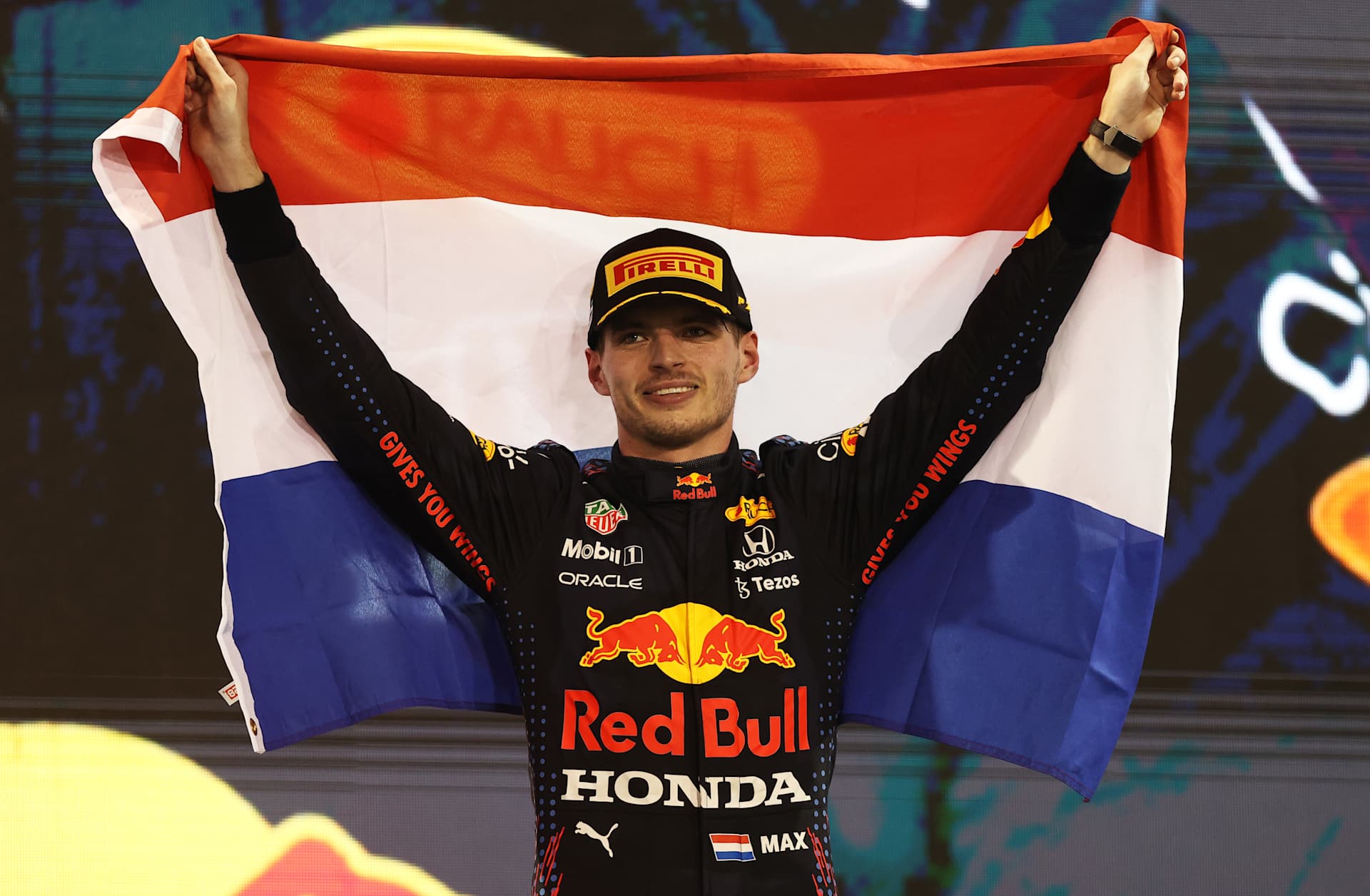
The 2025 season separated driver from machinery with unusual precision: Red Bull demonstrably second-fastest behind McLaren across the season, yet Verstappen finished only 2 points behind Norris in the final standings (421 to 423) — a gap directly explained by avoidable on-track contact at Austria and Mexico with Norris, a collision with Piastri at Abu Dhabi, and a deliberate post-team-order acceleration into Russell in Spain that drew a 3-penalty-point infringement. The teammate comparison across Pérez, Albon, and Gasly confirms that the surplus is Verstappen's and not the car's: all three performed comparably against their own peers in other machinery, while Verstappen's qualifying and race gap to each was stable across circuit types and conditions.
SETUP PREFERENCE
ROTATES ON ENTRY
STIFF — MAXIMUM MECHANICAL GRIP
HIGH DOWNFORCE · CORNER PRIORITY
EXCELLED AT
STRUGGLED WITH
MORE BELOW · TRACKS · LAPS