
ERAS
DRIVING SIGNATURE
The shape of their driving — computed from 476 laps of official timing data · vs. 2022 field.
THE FINGERPRINT
Six-axis breakdown: steering smoothness, entry aggression, tyre management, throttle application, braking, and consistency.
STEERING SMOOTHNESS PENDING — needs steering-angle data from onboard video
SETUP & STYLE
SCOUTING REPORT
How they set up the car, and the style that emerged from it.
THE REPORT
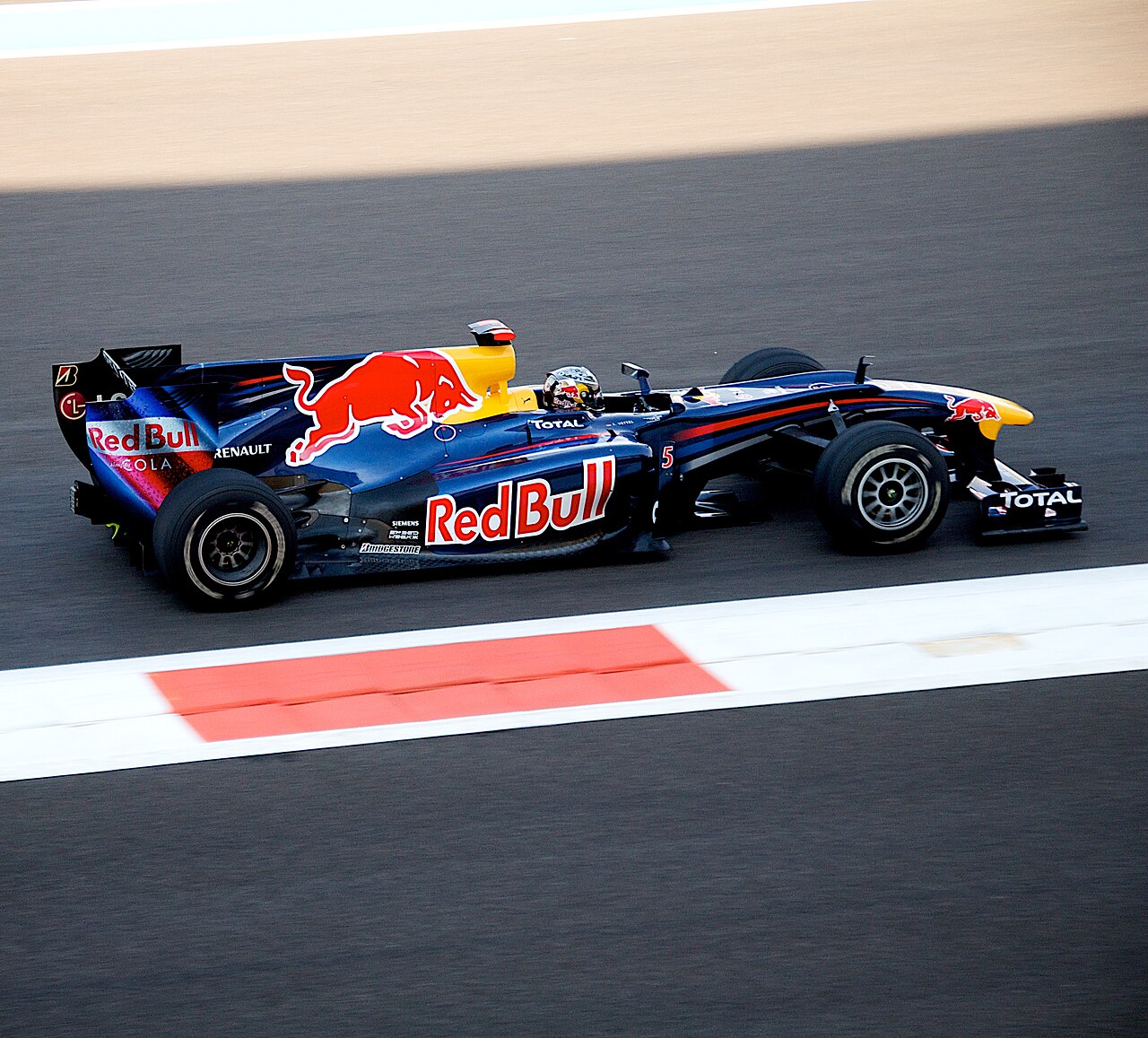
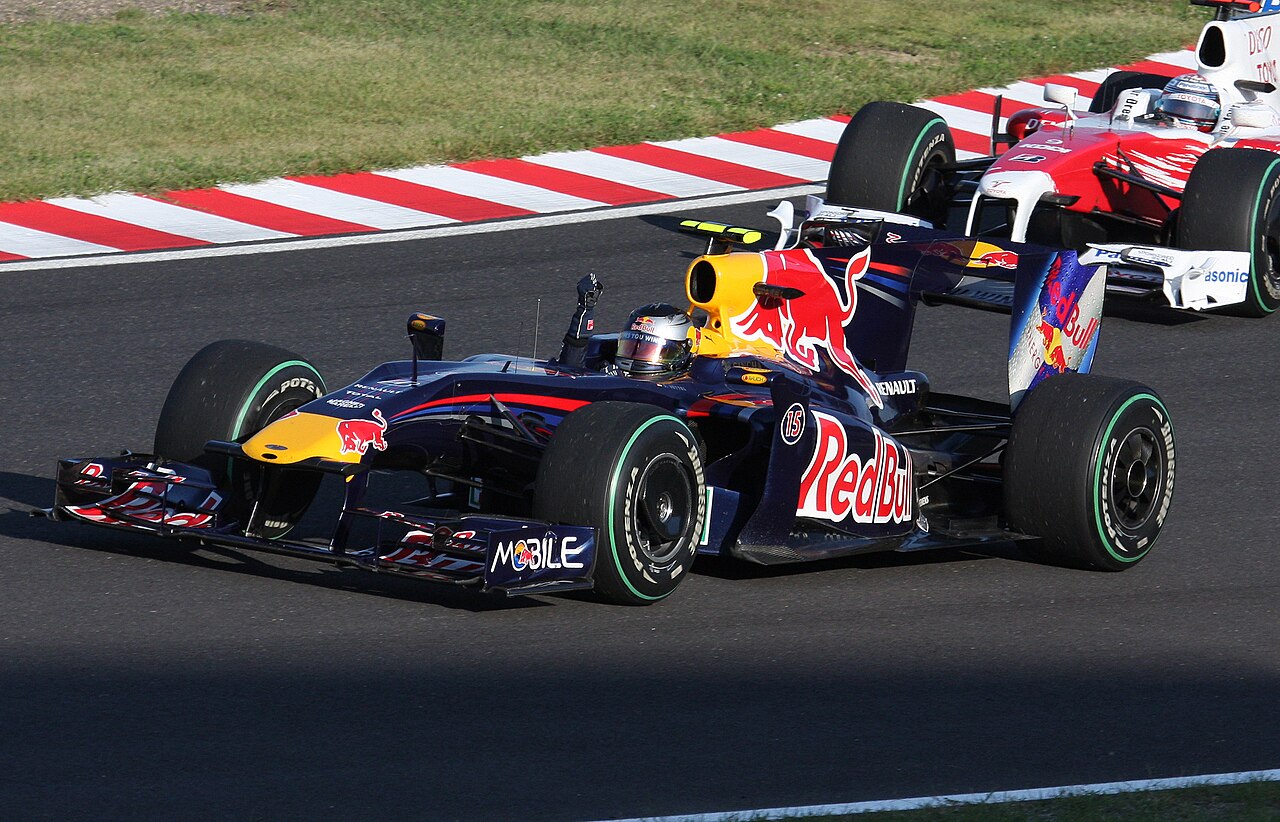
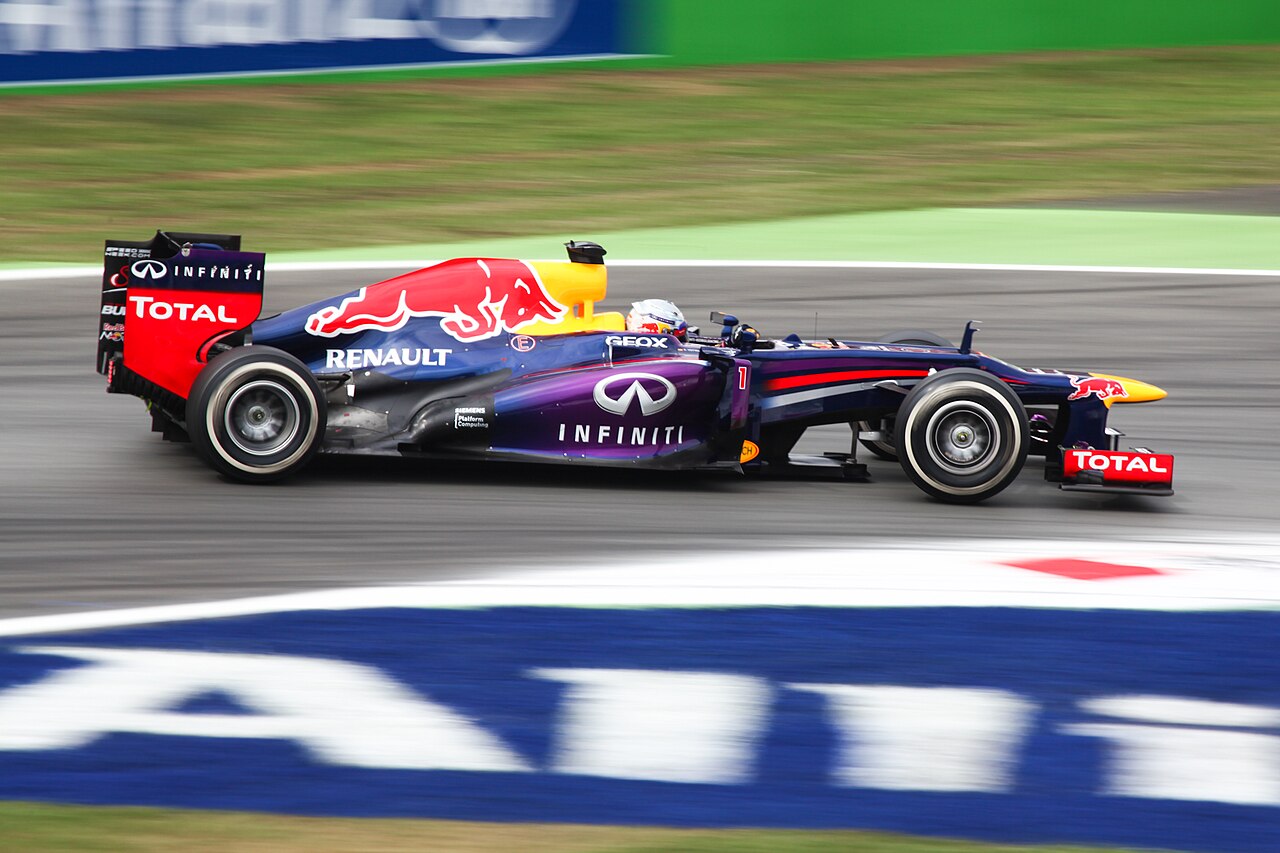
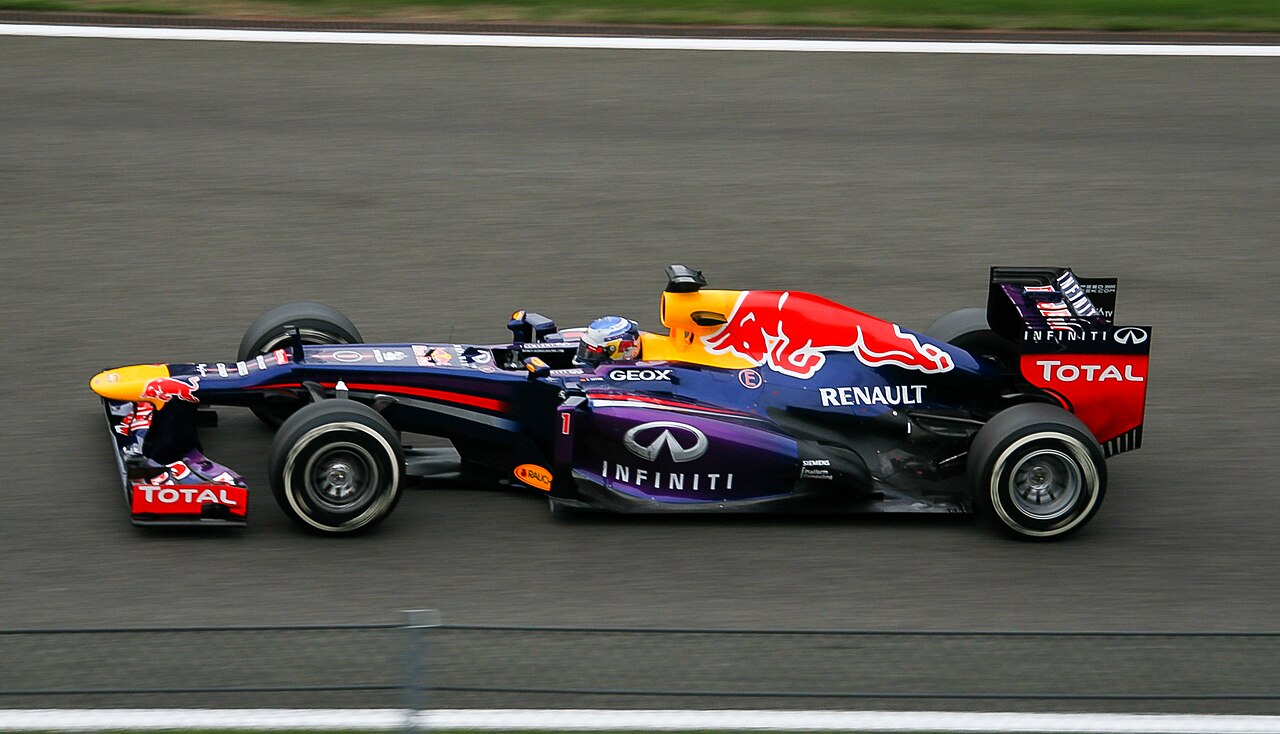
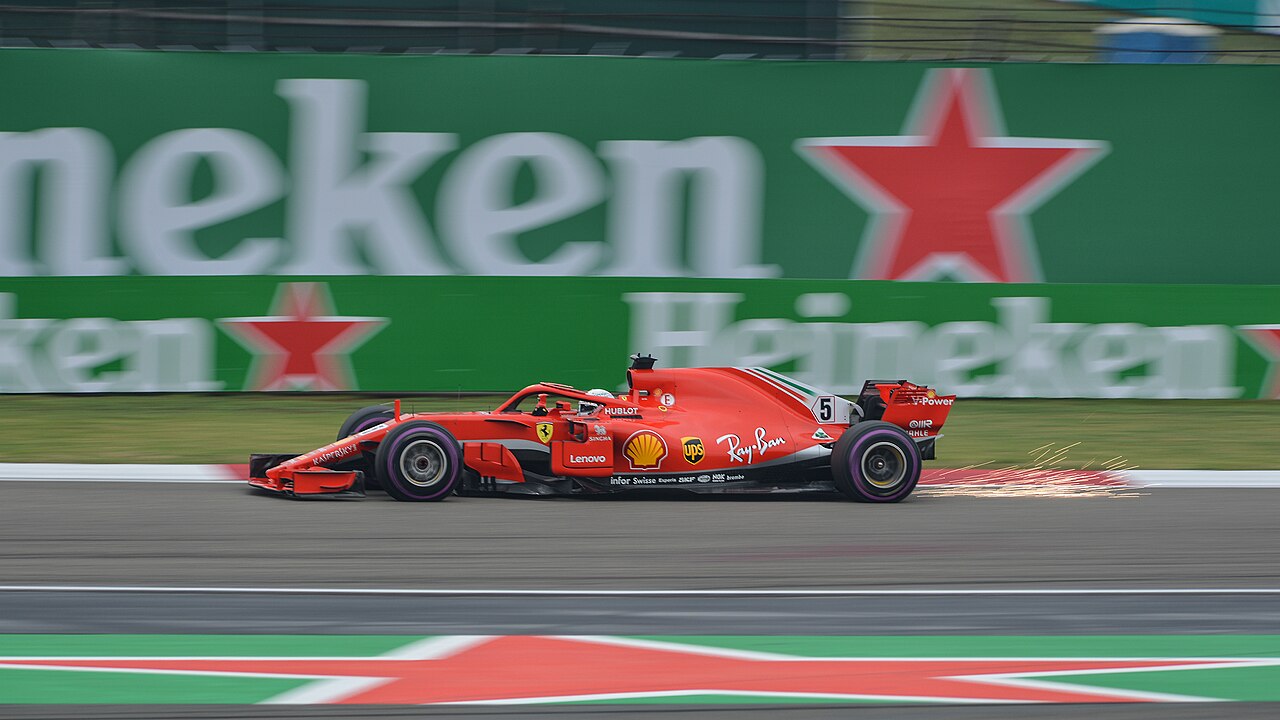
Vettel ran one of the most rotation-biased setups on the grid across his Red Bull years — the front end was deliberately pointed, demanding aggressive entry commitment that most drivers couldn't sustain across a full race distance. His trail-braking technique was precise: he released the pedal progressively through the final third of the braking zone, maintaining rear rotation through the apex without the pendulum snap that punishes less confident drivers. The Red Bull RB5 through RB9, engineered around Newey's blown-diffuser platform, generated so much rear downforce at slow speed that Vettel could sustain entry angles that would overrotate a conventional car.
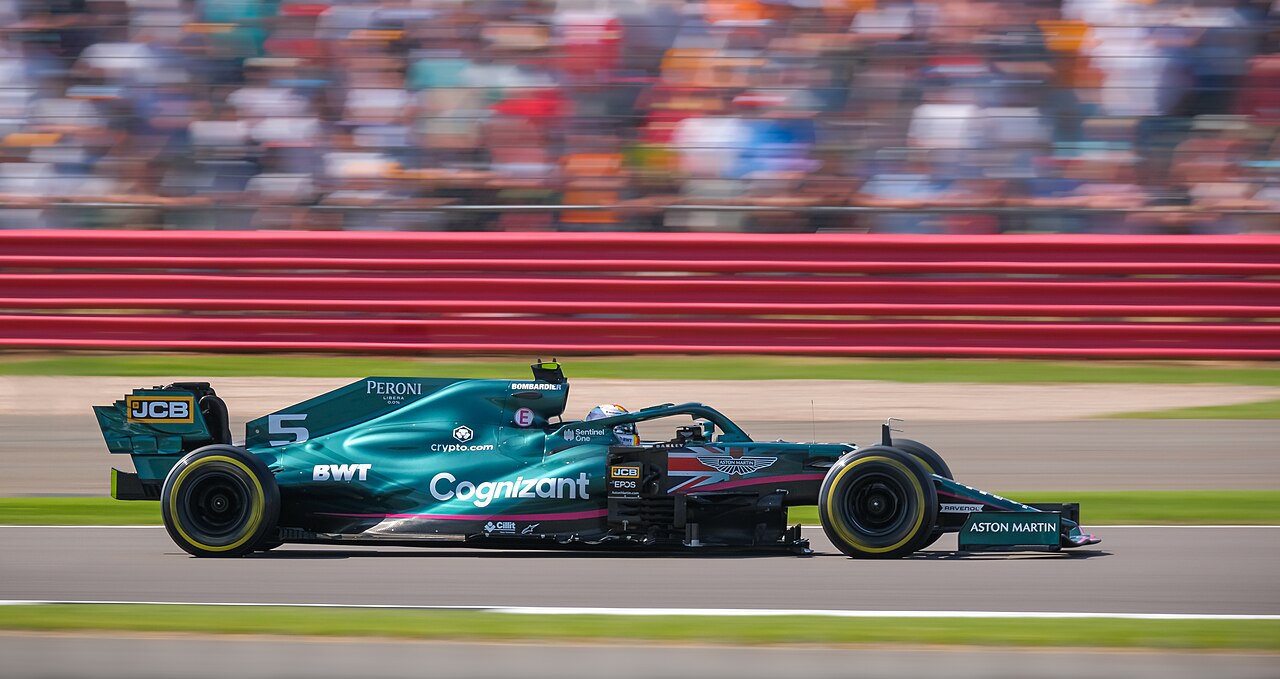
The cause-and-effect failure at Ferrari is instructive. The F14T and subsequent cars understeered naturally — they wanted the front to push through the apex rather than rotate. Vettel's entry technique, which relied on the car's rear responding to his trail-brake angle, produced a chassis that was unresponsive at the moment he needed rotation. He couldn't adapt the way Räikkönen adjusted his technique to the same car in 2015; the gap in tyre management under stress was equally significant. By 2018 the pattern was confirmed: a driver of genuine world-class talent who required a specific platform to produce his best.
His qualifying pace was genuinely elite — four consecutive world championships reflect more Saturday than Sunday performance, with the RB6, RB7, RB8, and RB9 each reaching their theoretical maximum in Vettel's hands. The strategic calculation of championship mathematics, however, was rarely as refined as Prost's or Alonso's: Vettel raced flat-out and relied on pace advantage to manage gaps rather than optimising points across a season, a pattern that cost him in 2012 and 2018 when the gap between him and the field was smaller.
SETUP PREFERENCE
POINTY · ROTATES ON ENTRY
STIFF · KERB-RESPONSIVE
HIGH DOWNFORCE PREFERRED
EXCELLED AT
STRUGGLED WITH
MORE BELOW · TRACKS · LAPS