

ERAS
DRIVING SIGNATURE
The shape of their driving — computed from 2,413 laps of official timing data · vs. 2018–21 field.
THE FINGERPRINT
Six-axis breakdown: steering smoothness, entry aggression, tyre management, throttle application, braking, and consistency.
STEERING SMOOTHNESS PENDING — needs steering-angle data from onboard video
SETUP & STYLE
SCOUTING REPORT
How they set up the car, and the style that emerged from it.
THE REPORT
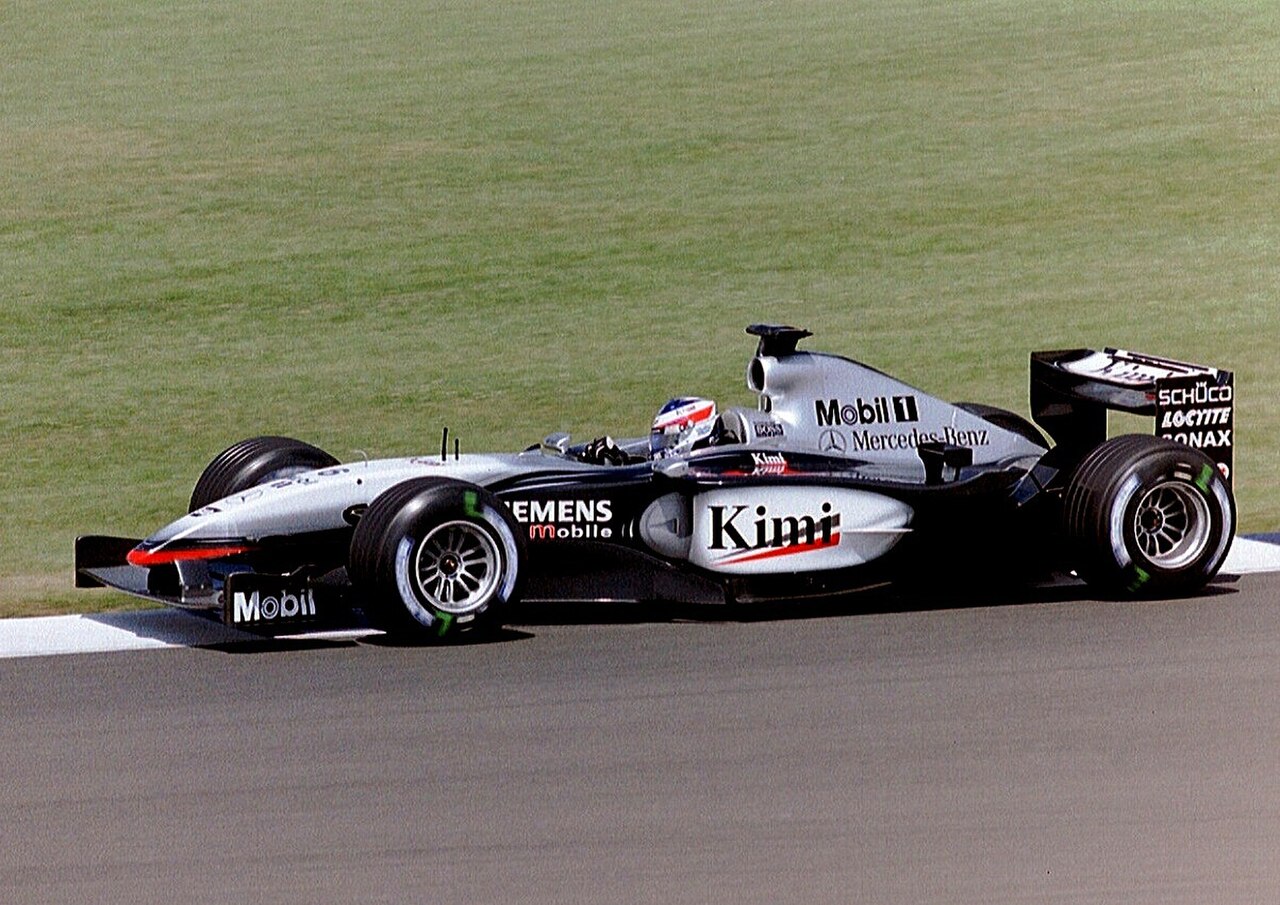
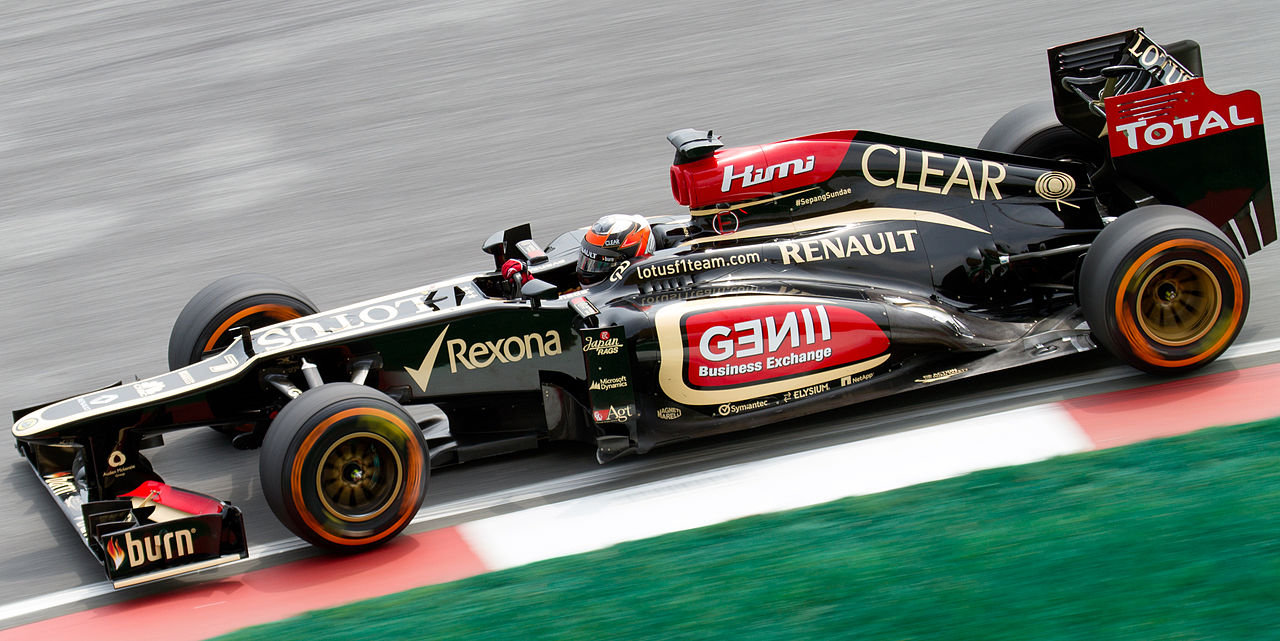
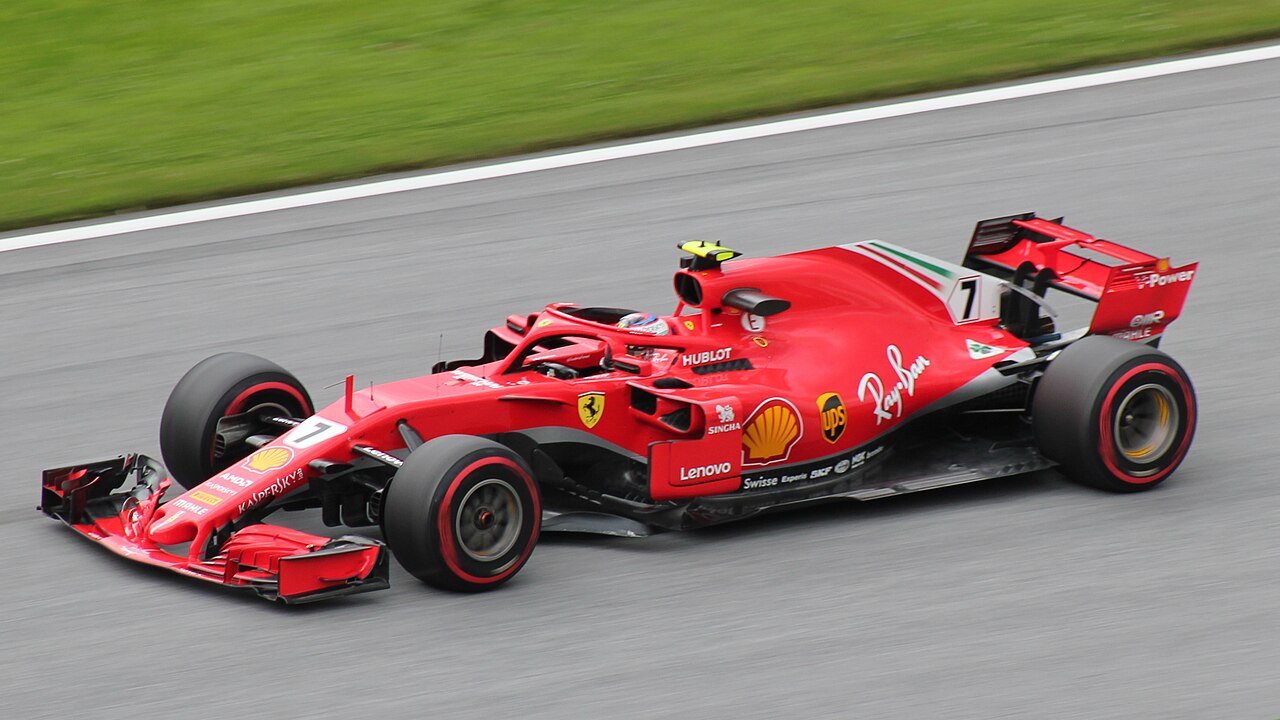
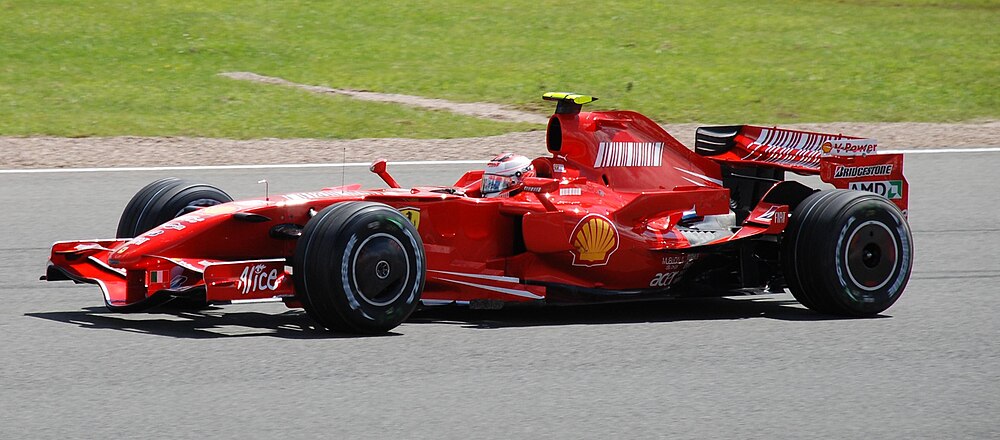
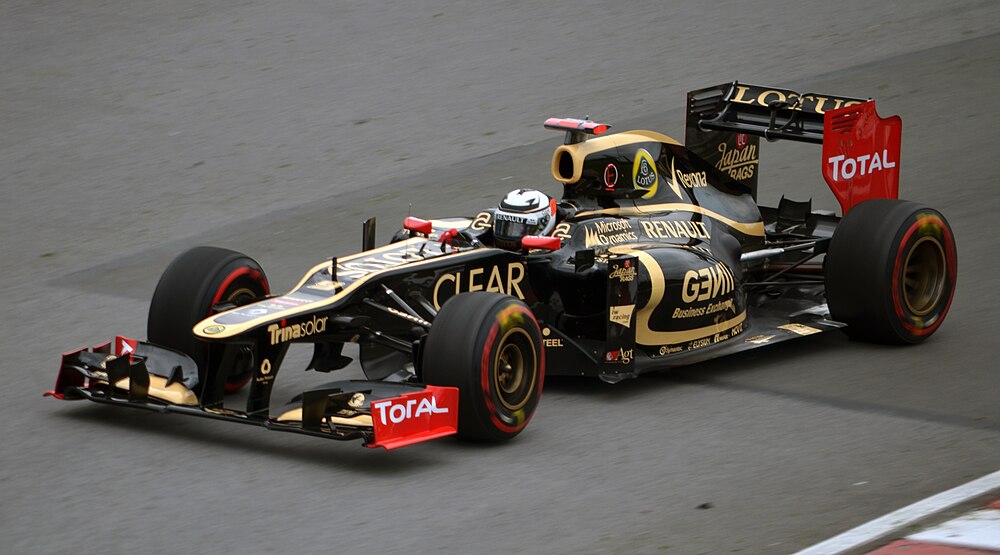
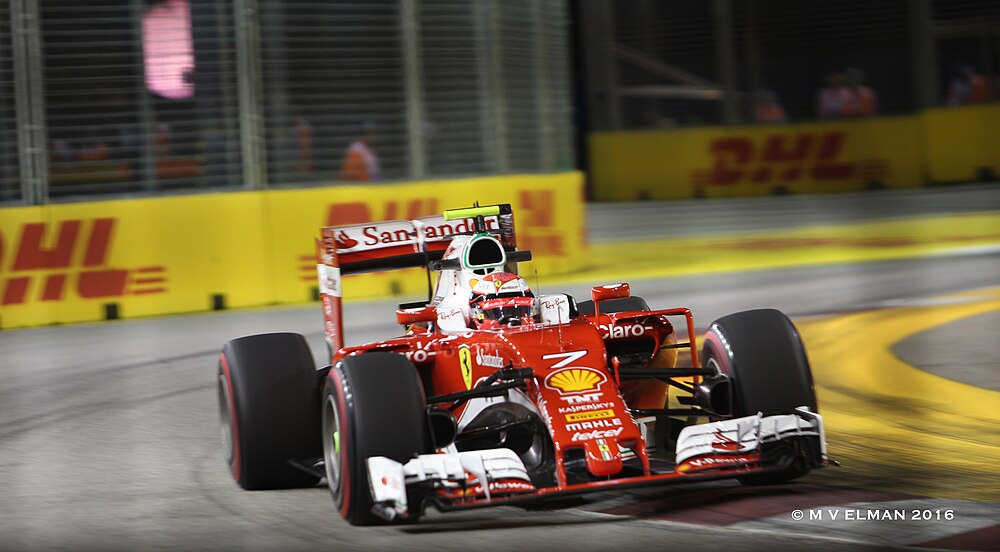
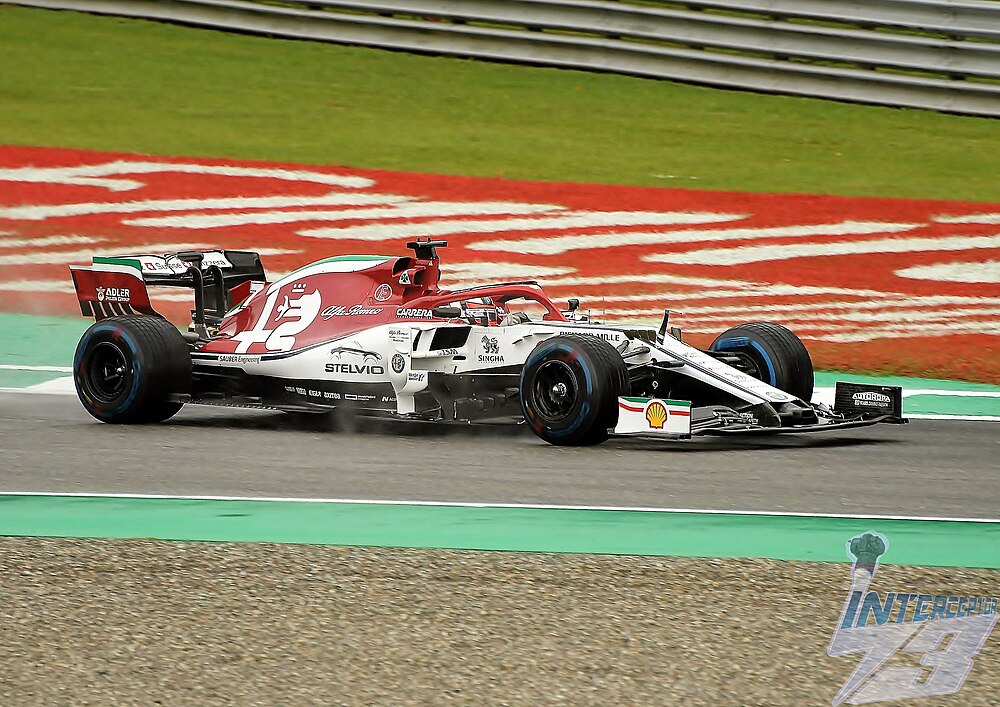
Räikkönen's setup preference was built on mechanical grip sensitivity rather than aerodynamic rotation. He was intolerant of understeer in the corner entry phase — a front that pushed through the apex rather than rotating meant his trail-brake technique produced no cornering effect, just speed loss with no direction change. Ferrari's ability to give him a planted rear with sufficient downforce to allow his natural entry aggression was the key to his 2007 title: when the team read the tyre data and set the car to Räikkönen's balance, his pace was immediate and dominant. When the balance wandered toward understeer — as it did in the complicated 2008 Ferrari — he struggled to adapt the way Massa could, because his entry technique had a narrower effective balance window.
The 2005 Japanese GP qualifying lap is the single data point that most precisely captures his driving identity. Conditions were wet, the McLaren was uncompetitive in the dry, and the championship was mathematically over. Räikkönen's lap was approximately one second faster than Alonso's in the same conditions, produced in a session with no championship implication. The technical explanation is that his reflexive corner-rotation technique — which benefits from consistent grip regardless of surface — was better suited to a wet surface than Alonso's more committed entry style, which requires predictable front-axle response. The broader explanation is that Räikkönen's performance was not conditional on external stakes.
The 2007 championship recovery — coming from 17 points down with two races remaining to win the title on the final lap of the final race — required McLaren to self-destruct and both Massa and Hamilton to cooperate. The drives themselves were mechanically unremarkable; Räikkönen executed precisely what was required. That clinical efficiency — maximum output at maximum need, nothing more — was the defining characteristic of his 352-race career. His later seasons at Alfa Romeo, where the motivation question was openly discussed, showed that the pace was still available when he chose to deploy it.
SETUP PREFERENCE
NEUTRAL TO SLIGHT OVERSTEER
MODERATE STIFFNESS · FEEL BALANCE
BALANCED · MECHANICAL GRIP PRIORITY
EXCELLED AT
STRUGGLED WITH
MORE BELOW · TRACKS · LAPS